

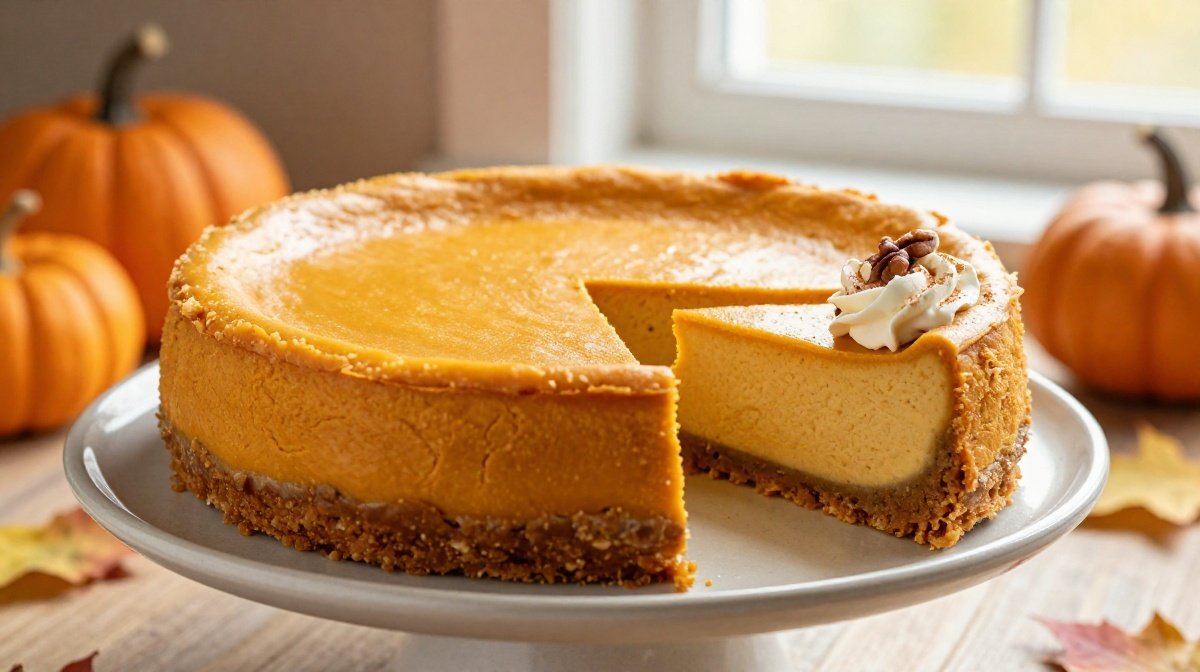
There’s something about pumpkin cheesecake that makes the kitchen smell like fall before you even take the first bite. I remember making one on a chilly afternoon when I wanted a dessert that felt special but didn’t require a complicated pastry project.
I had no sour cream in the refrigerator, so I decided to leave it out instead of making another trip to the store. That little accident turned into one of my favorite ways to make pumpkin cheesecake.
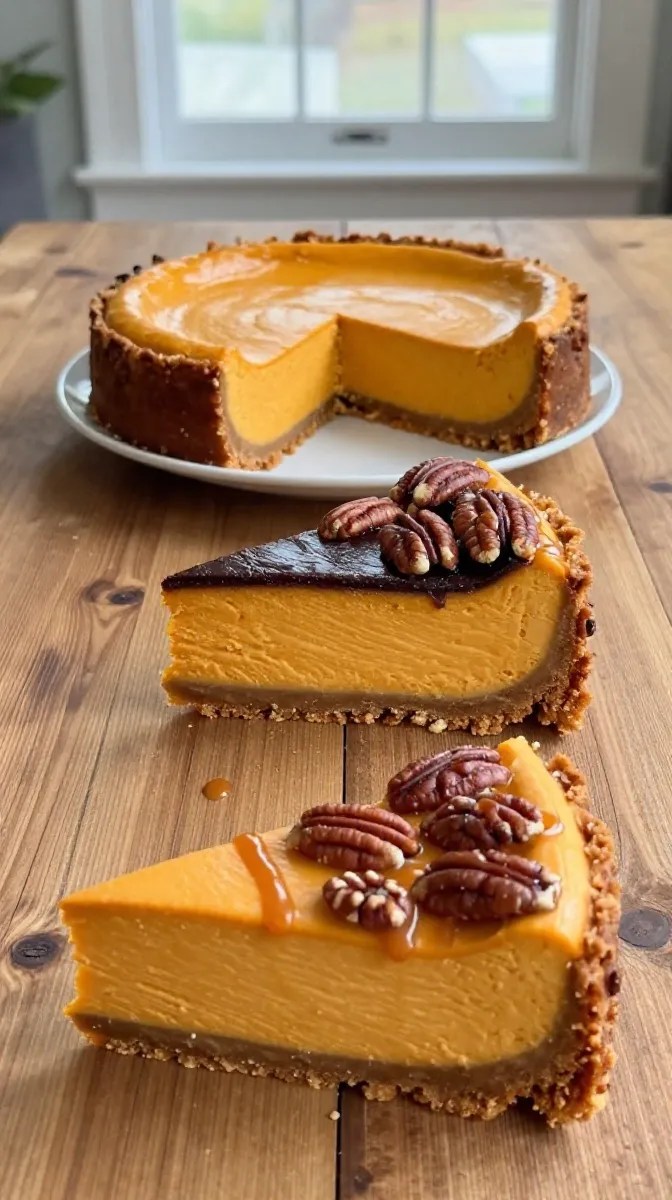
The filling comes out creamy, rich, and gently spiced, with plenty of pumpkin flavor. The cream cheese provides enough tang on its own, while pumpkin puree gives the cheesecake its soft texture and beautiful golden color.
I’ve also learned a few things after making this more than once. The biggest one? Don’t rush the cooling process. A cheesecake may look perfectly finished when it comes out of the oven, but it still needs time to settle and firm up.
This creamy pumpkin cheesecake without sour cream makes a beautiful dessert for Thanksgiving, fall dinners, family gatherings, or simply a weekend when you want something a little more indulgent.
Why You’ll Love This Recipe

- No sour cream needed. You can make a wonderfully creamy cheesecake with simple refrigerator staples.
- Big pumpkin flavor. Pumpkin puree and warm spices give every slice that cozy autumn taste.
- Beginner-friendly. The steps are straightforward, and you don’t need a water bath.
- Make-ahead friendly. Cheesecake actually benefits from several hours of chilling.
- Great for sharing. One 9-inch cheesecake gives you plenty of slices for a family dinner or gathering.
Ingredients
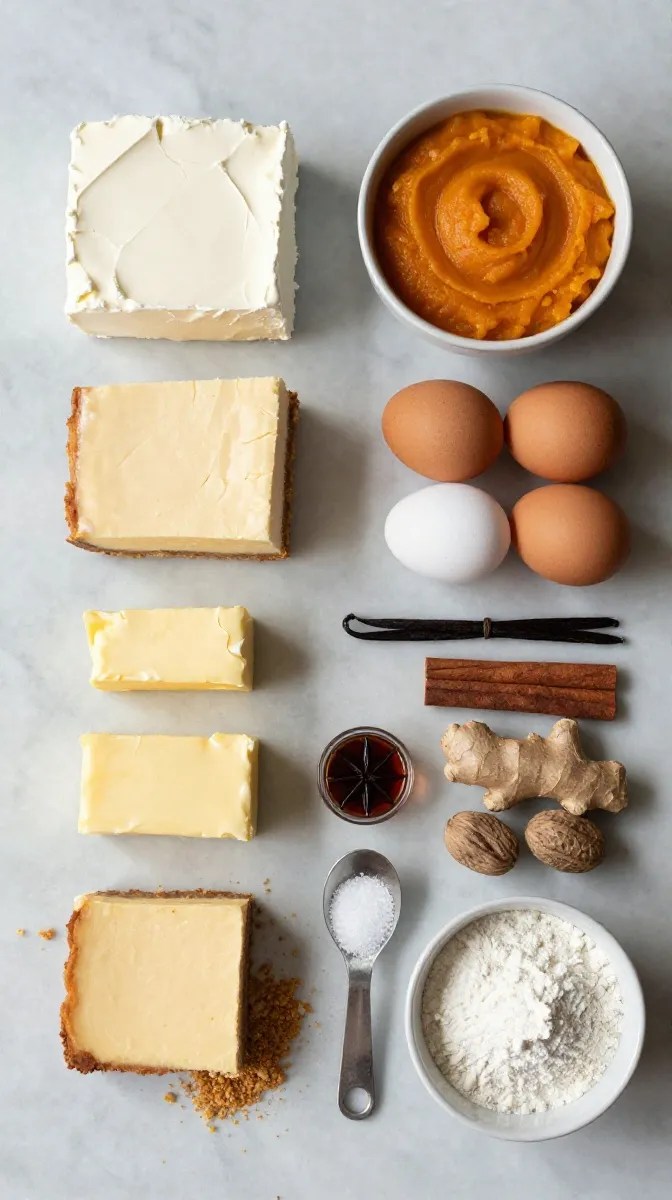
For the Crust
- 1 3/4 cups graham cracker crumbs
- 3 tablespoons granulated sugar
- 6 tablespoons unsalted butter, melted
- 1/4 teaspoon salt
You can use whole graham crackers and crush them in a food processor if you don’t have ready-made crumbs. Digestive biscuits also work well if you prefer their slightly less sweet flavor.
For the Pumpkin Cheesecake Filling
- 24 ounces full-fat cream cheese, softened
- 1 cup granulated sugar
- 1 cup pumpkin puree
- 3 large eggs, room temperature
- 1 teaspoon pure vanilla extract
- 1 1/2 teaspoons ground cinnamon
- 1/2 teaspoon ground ginger
- 1/4 teaspoon ground nutmeg
- 1/8 teaspoon ground cloves
- 1/4 teaspoon salt
- 2 tablespoons all-purpose flour
Use pure pumpkin puree, not pumpkin pie filling. Pumpkin pie filling already contains sugar and spices, which can throw off the flavor and texture of the cheesecake.
For the cream cheese, I recommend full-fat blocks rather than whipped or spreadable cream cheese. Brands such as Philadelphia work reliably, but any good-quality full-fat block cream cheese should do the job.
Optional Toppings
- Whipped cream
- A light dusting of cinnamon
- Chopped toasted pecans
- Caramel sauce
- A few extra graham cracker crumbs
You don’t need all of these. Sometimes I serve the cheesecake with nothing more than a small spoonful of whipped cream.
Step-by-Step Instructions
1. Bring the Cream Cheese and Eggs to Room Temperature — 30 to 45 Minutes
Take the cream cheese and eggs out of the refrigerator before you start.
Soft cream cheese blends much more smoothly than cold cream cheese. This matters because lumps in the filling become surprisingly difficult to remove once you add the eggs.
If you forget to soften the cream cheese, don’t panic. Cut each block into smaller cubes and let them sit on the counter for a little while.
2. Prepare the Pan and Oven — 10 Minutes
Heat your oven to 325°F (165°C).
Grease the bottom and sides of a 9-inch springform pan lightly with butter or nonstick cooking spray.
I like to place a round piece of parchment paper on the bottom as well. It makes transferring the finished cheesecake much easier.
You can use a regular 9-inch cake pan in a pinch, but a springform pan makes releasing cheesecake considerably easier.
3. Make the Graham Cracker Crust — 10 Minutes
Add the graham cracker crumbs, sugar, salt, and melted butter to a bowl.
Stir until every bit of the crumbs looks evenly moistened. The mixture should resemble damp sand and hold together when you squeeze a little in your hand.
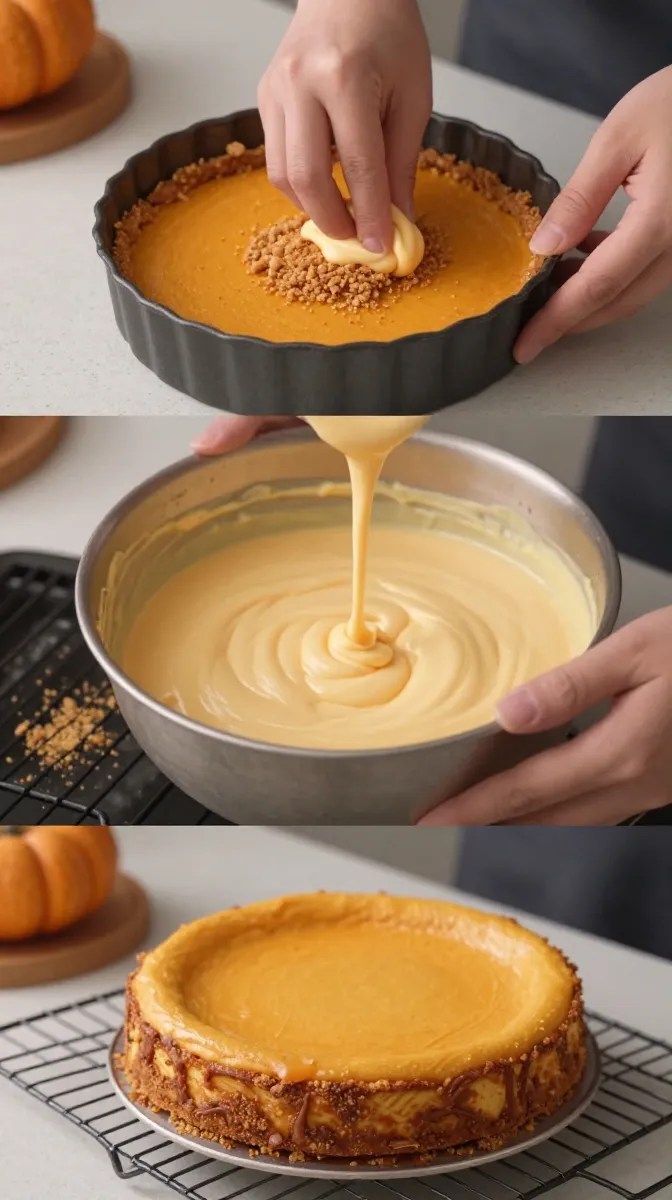
Press the mixture firmly into the bottom of the prepared springform pan.
I use the flat bottom of a measuring cup to compact the crust. Pay special attention to the edges so you don’t leave loose crumbs around the perimeter.
Bake the crust for 8–10 minutes, then remove it from the oven.
Let it cool while you prepare the filling.
4. Beat the Cream Cheese and Sugar — 3 to 4 Minutes
Place the softened cream cheese in a large mixing bowl.
Using a hand mixer or stand mixer fitted with the paddle attachment, beat the cream cheese on medium speed until smooth.
Add the sugar gradually and continue mixing until the mixture looks creamy and uniform.
Stop the mixer and scrape down the sides of the bowl once or twice.
This small step makes a noticeable difference. Cream cheese hiding against the side of the bowl can leave little white lumps throughout the finished cheesecake.
5. Add the Pumpkin and Spices — 2 Minutes
Add the pumpkin puree, vanilla, cinnamon, ginger, nutmeg, cloves, salt, and flour.
Mix on low speed just until everything comes together.
The filling should look smooth, thick, and evenly orange.
At this stage, resist the temptation to keep mixing. Cheesecake filling doesn’t need lots of beating.
6. Add the Eggs — About 2 Minutes
Add the eggs one at a time.
Mix on low speed after each addition, stopping as soon as the egg disappears into the batter.
This is one of the easiest places to accidentally overmix. You want the filling combined, not whipped full of air.
If you see a few tiny bubbles on the surface, gently tap the bowl against the counter once or twice.
7. Pour the Filling Over the Crust — 2 Minutes
Pour the pumpkin cheesecake filling over the cooled crust.
Smooth the top with a spatula.
Give the pan a gentle tap on the counter to encourage large air bubbles to rise.
The filling should sit fairly evenly across the crust.
8. Bake the Cheesecake — 55 to 70 Minutes
Place the cheesecake on the center rack of your 325°F (165°C) oven.
Bake for approximately 55–70 minutes.
The outside should look set while the center should still have a slight wobble when you gently move the pan.
Don’t wait until the entire cheesecake looks completely firm. The center continues cooking from residual heat after you remove it from the oven.
One of my biggest early cheesecake mistakes was baking until the whole surface looked completely motionless. That usually left me with a cheesecake that tasted good but had a firmer, less creamy texture than I wanted.
9. Cool Gradually — About 1 Hour
Turn off the oven and crack the oven door open slightly.
Let the cheesecake sit inside for about 30 minutes.
Then remove it and place it on a cooling rack for another 30 minutes, or until it reaches room temperature.
Avoid immediately putting a hot cheesecake into the refrigerator. Give it time to cool first.
10. Chill Until Firm — At Least 6 Hours
Cover the cooled cheesecake loosely with plastic wrap or foil and refrigerate it for at least 6 hours.
Overnight works even better.
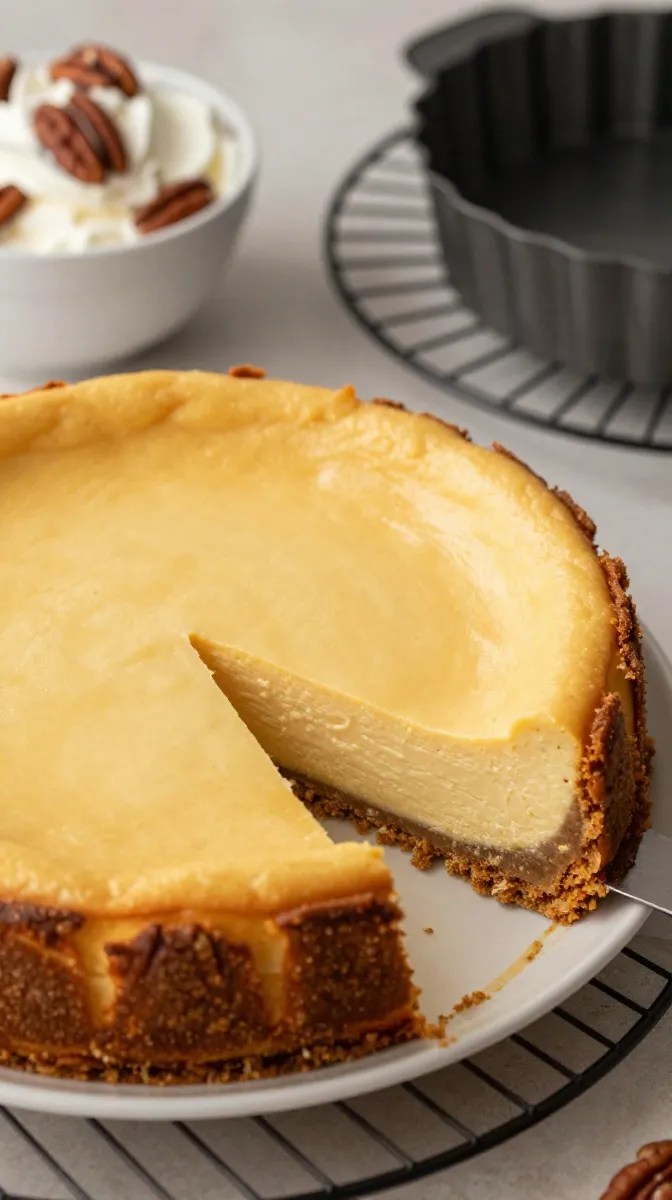
This is where patience pays off. The cheesecake becomes firmer, smoother, and easier to slice as it chills.
11. Slice and Serve
Run a thin knife around the edge of the springform pan before releasing the sides.
For cleaner slices, dip a sharp knife into hot water, wipe it dry, and slice. Repeat between cuts.
Add whipped cream, caramel, pecans, or a little cinnamon if you like.
Then grab a fork and enjoy the first slice before someone else gets to it.
Pro Tips & Tricks
Use Full-Fat Block Cream Cheese
This recipe works best with full-fat cream cheese sold in blocks.
Tub-style spreadable cream cheese contains a different amount of moisture and can produce a softer filling. The block variety gives you a richer, more dependable cheesecake texture.
Don’t Overmix the Eggs
Once you add the eggs, mix gently and briefly.
Overmixing can incorporate extra air into the batter. Those air bubbles can expand in the oven and then collapse as the cheesecake cools, which may contribute to cracks.
Don’t Overbake It
A slight jiggle in the center is exactly what you want.
If the whole cheesecake looks firm while it’s still in the oven, you may have gone a little too far. The residual heat will continue to set the center.
Cool It Slowly
Temperature changes can be hard on cheesecake.
A gradual cool-down gives the filling time to settle. If your cheesecake develops a small crack anyway, don’t worry. A layer of whipped cream or a drizzle of caramel hides plenty of imperfections.
And honestly, a crack doesn’t change how delicious the cheesecake tastes.
Make It Ahead
This is an excellent make-ahead dessert.
Bake it the day before you plan to serve it, chill it overnight, and add the toppings shortly before serving.
Keep the cheesecake covered in the refrigerator until you’re ready to slice it.
Variations & Substitutions
Make a Gingersnap Crust
For a stronger fall flavor, replace the graham crackers with finely crushed gingersnap cookies.
Use about 1 3/4 cups of gingersnap crumbs and keep the butter and sugar amounts similar, adjusting the sugar slightly if your cookies taste particularly sweet.
The spicy cookie crust pairs beautifully with pumpkin.
Add a Pecan Crust
Replace about 1/2 cup of the graham cracker crumbs with finely chopped pecans.
The nuts add a pleasant crunch and a subtle roasted flavor without making the crust complicated.
Toast the pecans first for even more flavor, then let them cool before mixing them into the crust.
Use a Gluten-Free Crust
For a gluten-free version, use certified gluten-free graham-style cookies or another gluten-free crisp cookie for the crust.
The filling itself can remain the same, but check the labels on your individual ingredients if you need to avoid gluten carefully.
Adjust the Spice Blend
If you love a bold pumpkin-spice flavor, increase the cinnamon slightly or add a pinch more ginger.
If cloves taste too strong to you, simply leave them out. I often make the recipe with cinnamon, ginger, and nutmeg when I want a gentler spice profile.
Serving Suggestions

I love serving this cheesecake slightly chilled rather than ice-cold.
Take it out of the refrigerator about 15–20 minutes before serving. The filling softens just enough to taste extra creamy.
For a classic presentation, add a small swirl of whipped cream to each slice and sprinkle the top with cinnamon.
For something more decadent, drizzle each slice with caramel sauce and add a few toasted pecans.
If you’re serving the cheesecake after a large dinner, keep the toppings simple. The pumpkin and cream cheese already provide plenty of flavor.
This cheesecake also fits beautifully on a Thanksgiving dessert table alongside apple pie, pecan pie, or a simple fruit dessert. You can make it the day before, which frees up oven space and saves you from trying to bake dessert while everyone else is arriving.
For a cozy fall evening, serve it with coffee, chai, or a mug of hot tea.
Related Recipes:
- Pumpkin Bars With Cream Cheese Frosting – Easy & Moist Recipe
- Old Fashioned Pumpkin Bars With Cream Cheese Frosting – Easy Recipe
- Pumpkin Crisp Bars
-
No-Bake Pumpkin Cheesecake Ball
- Pumpkin Pie Filling Cookies
FAQ’s
Can I make pumpkin cheesecake without sour cream?
Absolutely. This recipe uses full-fat cream cheese, pumpkin puree, eggs, and a small amount of flour to create a creamy filling without sour cream.
The cream cheese provides plenty of richness and tang, so you won’t necessarily miss the sour cream.
Why did my pumpkin cheesecake crack?
Cheesecake can crack for several reasons, including overbaking, excessive mixing, or cooling it too quickly.
A crack doesn’t mean the cheesecake failed. If the texture and flavor are good, you still have a perfectly enjoyable dessert.
Next time, mix the eggs gently, remove the cheesecake while the center still has a slight wobble, and let it cool gradually.
How long does pumpkin cheesecake last in the refrigerator?
Keep the cheesecake covered and refrigerated, and enjoy it within about 4 days for the best quality.
If you add whipped cream, caramel, or other toppings, the topping may affect the texture over time. For the neatest presentation, add toppings shortly before serving.
Can I make this cheesecake ahead of time?
Yes, and I actually prefer making it ahead.
Bake the cheesecake the day before serving and let it chill overnight. The extra refrigeration time gives the filling a chance to fully firm up and makes slicing easier.
Can I freeze pumpkin cheesecake?
Yes. Freeze the cheesecake without fresh whipped cream or other toppings.
For individual portions, cut the chilled cheesecake into slices and wrap each piece tightly. Place the wrapped slices in a freezer-safe container or bag.
Thaw the slices in the refrigerator rather than on the counter. For the best texture, enjoy them within about 1–2 months.
Why is my cheesecake still soft in the middle?
A cheesecake should have a soft, slightly wobbly center when it comes out of the oven.
If it remains very loose after several hours in the refrigerator, it may have needed more baking time. Oven temperatures vary, so use the visual cue of a set outer portion with a gentle center wobble rather than relying only on the clock.
If the center looks liquid rather than softly set, it needs more time in the oven.
Final Thought
I started making this creamy pumpkin cheesecake without sour cream because I didn’t have sour cream on hand. Now I make it this way on purpose.
The combination of tangy cream cheese, pumpkin, cinnamon, ginger, nutmeg, and that buttery graham cracker crust gives you everything I want from a fall cheesecake without making the ingredient list unnecessarily complicated.
The hardest part is honestly waiting for it to chill.
Once you cut into that first cold, creamy slice, though, you’ll understand why I keep coming back to this recipe. It feels homemade, comforting, and just fancy enough to put in the middle of a holiday table.
If you make it, don’t worry if your first cheesecake has a tiny crack or an imperfect edge. That’s part of baking at home. Add some whipped cream, pour yourself a cup of coffee, and enjoy the slice you worked for.
Leave a Reply
You must be logged in to post a comment.