

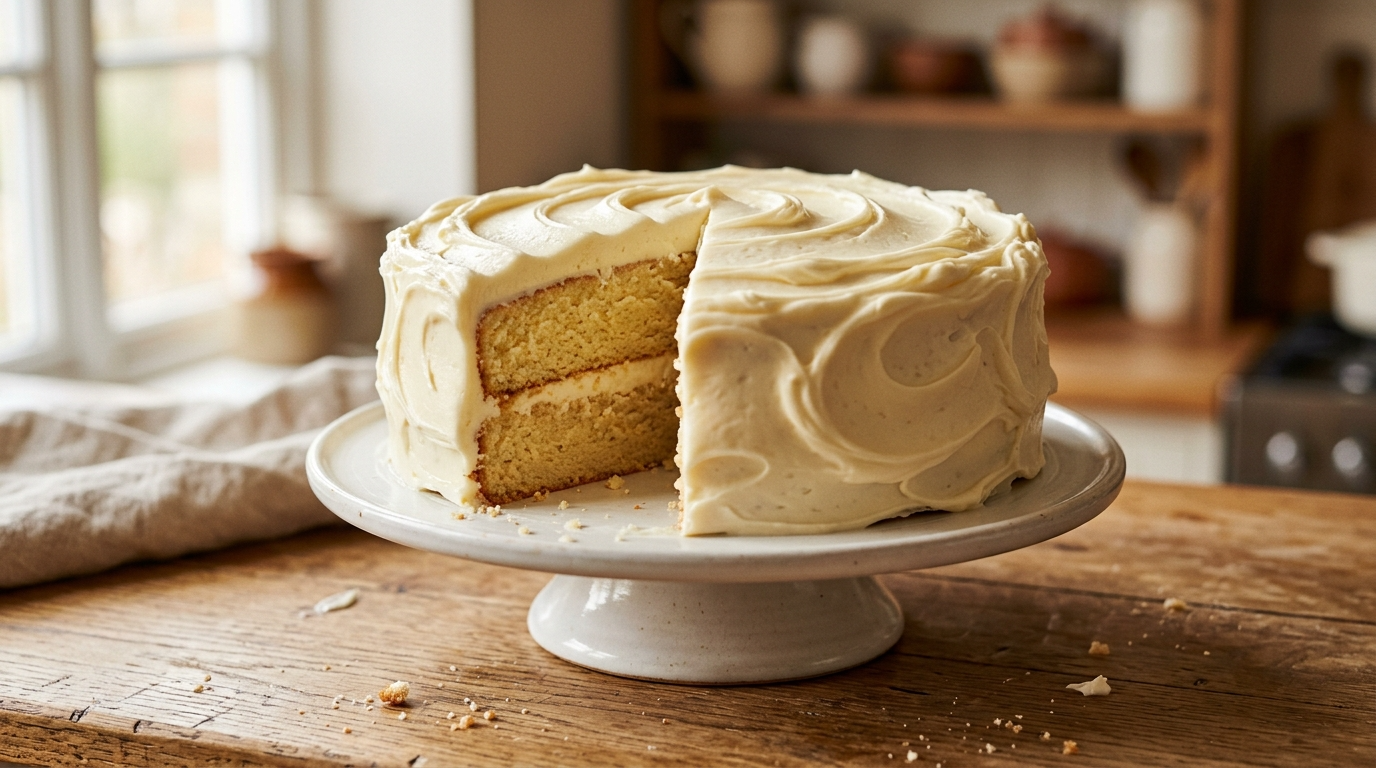
There are some frostings I make once and forget about. This is not one of them.
I first made this buttercream cream cheese frosting when I had a layer cake cooling on the counter and realized I wanted something richer than plain buttercream but a little sturdier than my usual cream cheese frosting. I grabbed the butter, cream cheese, powdered sugar, and vanilla, crossed my fingers, and started mixing.
The result disappeared so quickly that I barely got a clean slice of cake for myself.
Since then, I’ve made this frosting for cupcakes, birthday cakes, cinnamon rolls, cookies, sheet cakes, and those random Wednesday desserts that somehow turn into “just one more piece.” The combination of buttery sweetness and tangy cream cheese hits that perfect middle ground.
I especially love how easy I can adjust the texture. I can make it thick enough for piping roses or soften it slightly for spreading over a simple homemade cake.
And yes, I have absolutely eaten it straight from the mixing bowl with a spoon. I consider that part of quality control.
Why You’ll Love This Recipe

- Creamy and rich: Butter gives the frosting a smooth, buttery texture while cream cheese adds a delicious tang.
- Easy to make: You only need a handful of everyday ingredients and a mixer.
- Perfect for cakes and cupcakes: You can spread it generously or pipe it into pretty swirls.
- Easy to customize: Add lemon, cinnamon, cocoa, or another flavor without changing the basic recipe.
- Great make-ahead frosting: You can prepare it ahead of time and keep it chilled until you need it.
The biggest trick comes down to temperature. Let the butter and cream cheese soften properly before you start. Cold ingredients can leave little lumps behind, and nobody wants a beautiful cupcake topped with tiny chunks of cream cheese.
Ingredients
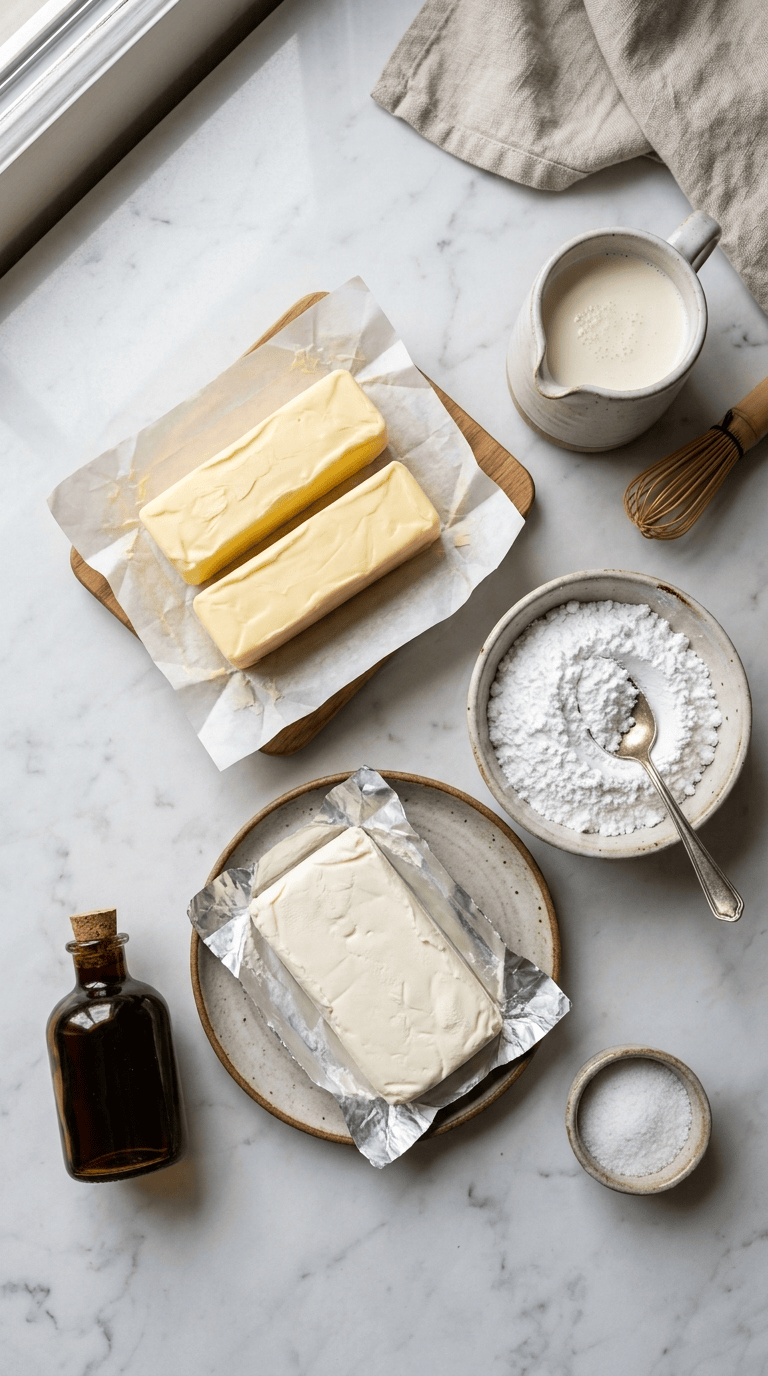
This recipe makes about 4 cups of frosting, which gives you enough for roughly 24 cupcakes, a 9-inch two-layer cake, or a generous 9×13-inch sheet cake.
For the Buttercream Cream Cheese Frosting
- 1 cup (226 g) unsalted butter, softened to room temperature
- 8 ounces (226 g) full-fat cream cheese, softened to room temperature
- 4 cups (480 g) powdered sugar, sifted
- 2 teaspoons pure vanilla extract
- 1–2 tablespoons heavy cream or milk, as needed
- ¼ teaspoon fine salt
I usually reach for full-fat cream cheese because it creates the thickest, creamiest frosting. Reduced-fat cream cheese can work, but it often creates a softer mixture.
If you only have salted butter, you can use it. Just skip the added salt at first and taste the frosting before deciding whether it needs any.
For an extra-rich vanilla flavor, use pure vanilla extract. A good vanilla makes a surprisingly noticeable difference in a simple frosting like this.
Step-by-Step Instructions
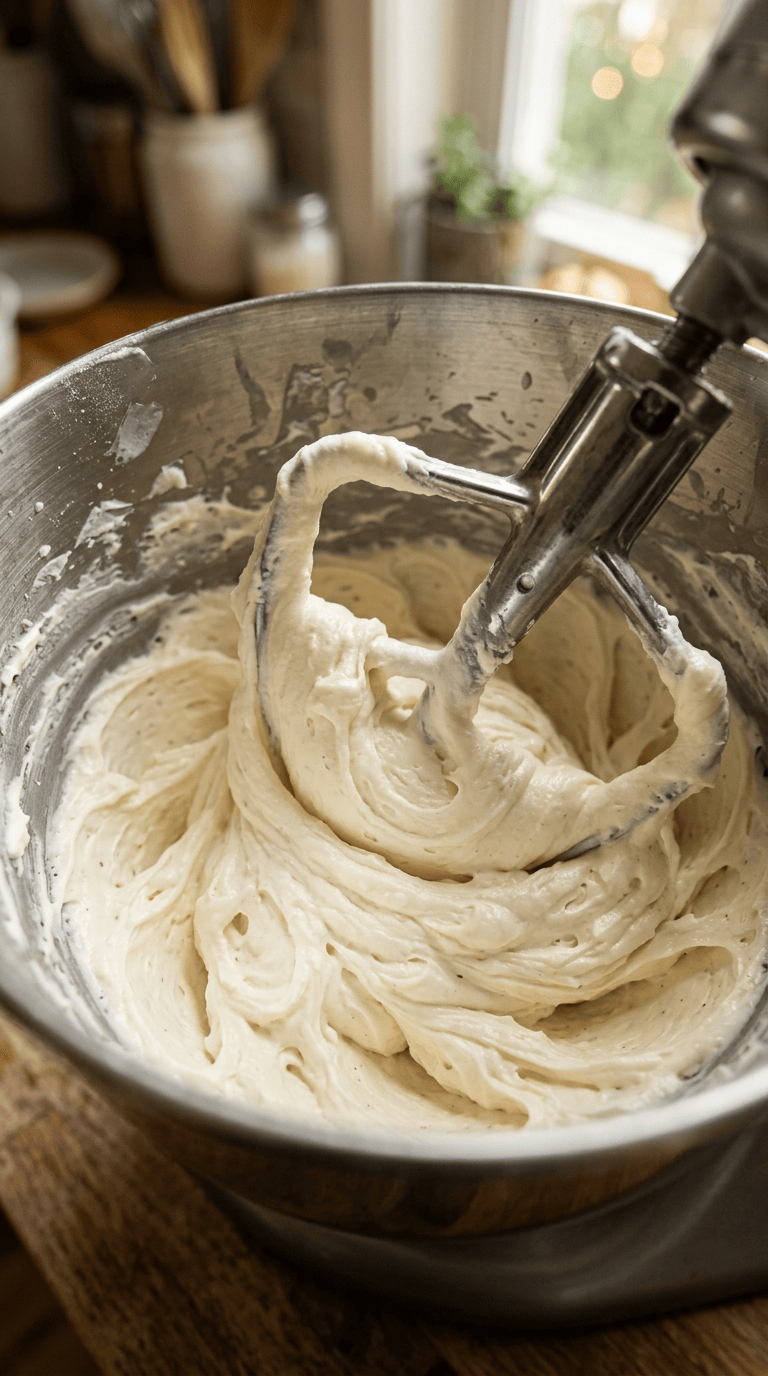
1. Bring the butter and cream cheese to room temperature
Take the butter and cream cheese out of the refrigerator about 30–60 minutes before mixing.
You want them soft enough that your finger leaves a gentle indentation when you press them. They should feel soft, but they should not look melted or greasy.
I learned this the hard way after trying to rush the process with cold butter. My mixer sounded like it had started a personal argument with the butter.
2. Beat the butter
Add the softened butter to a large mixing bowl.
Use a stand mixer fitted with the paddle attachment or a hand mixer. Beat the butter on medium speed for 2–3 minutes.
Stop once or twice and scrape the sides of the bowl.
The butter should look lighter, smooth, and fluffy. This step helps create a lighter frosting, so don’t skip it just because the butter already looks soft.
3. Add the cream cheese
Add the softened cream cheese to the whipped butter.
Beat on medium speed for about 1–2 minutes, just until the mixture looks smooth and creamy.
Avoid beating the cream cheese mixture for ages. Cream cheese can loosen as you mix it, and too much mixing can leave you with frosting that struggles to hold its shape.
4. Add the powdered sugar gradually
Turn the mixer to low speed and add the powdered sugar about ½ cup at a time.
Give each addition a few seconds to blend before adding more.
Keep the mixer on low while the sugar goes in unless you enjoy cleaning a powdered-sugar snowstorm off your counter.
Once you add all the sugar, scrape the bowl again.
5. Add vanilla and salt
Add the vanilla extract and salt.
Mix on low speed for about 30 seconds, then increase to medium speed for another 1 minute.
Taste the frosting.
This little taste test matters. If you want more tang, you can add a tiny pinch of salt. If you want stronger vanilla flavor, add another ½ teaspoon of vanilla.
6. Adjust the consistency
Now check the texture.
If the frosting feels too thick, add 1 teaspoon of heavy cream or milk at a time. Mix after each addition until you reach the consistency you want.
If the frosting feels too soft, add powdered sugar 1–2 tablespoons at a time.
For cupcakes, I like a frosting that holds a tall swirl without looking stiff or crumbly.
For a layer cake, I prefer a slightly softer texture because it spreads more easily across the cake.
7. Give it a final mix
Once the consistency looks right, mix the frosting on low speed for about 30 seconds.
This helps knock out some of the larger air bubbles.
If you plan to pipe the frosting, you can also gently press the finished frosting against the side of the bowl with a spatula to remove extra air.
Now it’s ready to use.
Pro Tips & Tricks
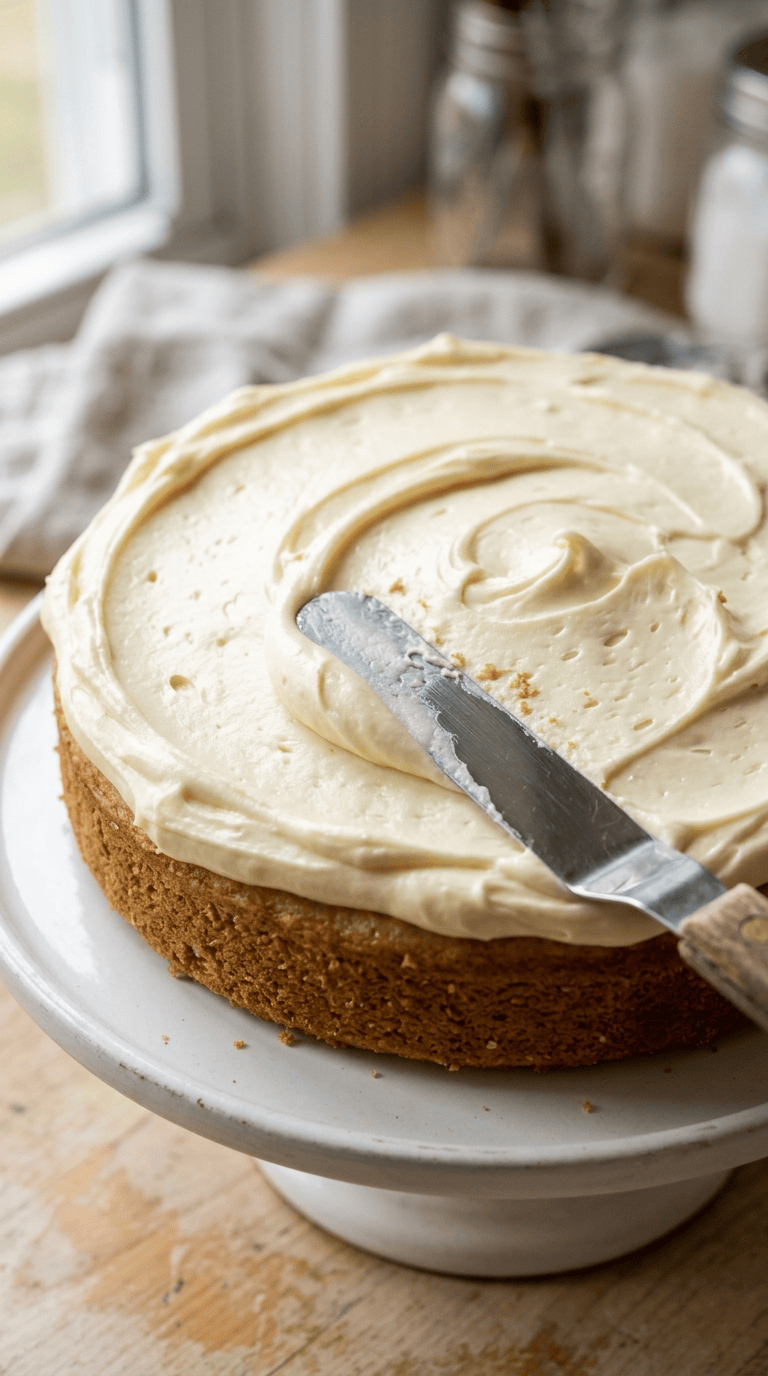
Use properly softened ingredients
This really makes the biggest difference.
Soft butter and cream cheese blend smoothly. If the butter stays too firm, you may see little pieces throughout the frosting.
At the same time, don’t let the ingredients sit somewhere warm until they become greasy. Room temperature should mean soft and workable, not melted.
Sift the powdered sugar when you can
I’ll admit that I sometimes skip this when I’m making frosting for my family on a random afternoon.
But when I want silky-smooth frosting for a birthday cake, I sift the powdered sugar.
It helps break up stubborn lumps and gives the finished frosting a smoother texture.
Don’t overbeat the cream cheese
You can beat butter until it becomes beautifully fluffy. Cream cheese behaves differently.
Once you add the cream cheese, mix just until everything looks smooth. Excessive mixing can make the frosting softer than you want.
Chill soft frosting
If your kitchen feels warm and the frosting seems too loose, place the bowl in the refrigerator for 15–20 minutes.
Give it a gentle stir afterward.
Sometimes the refrigerator does exactly what I need without adding another cup of powdered sugar.
Make it ahead
You can prepare this frosting up to 3 days ahead.
Keep it in an airtight container in the refrigerator. When you’re ready to use it, let it sit at room temperature for about 20–40 minutes, depending on your kitchen temperature.
Beat it briefly with a mixer or stir it thoroughly by hand to bring back its creamy texture.
Variations & Substitutions
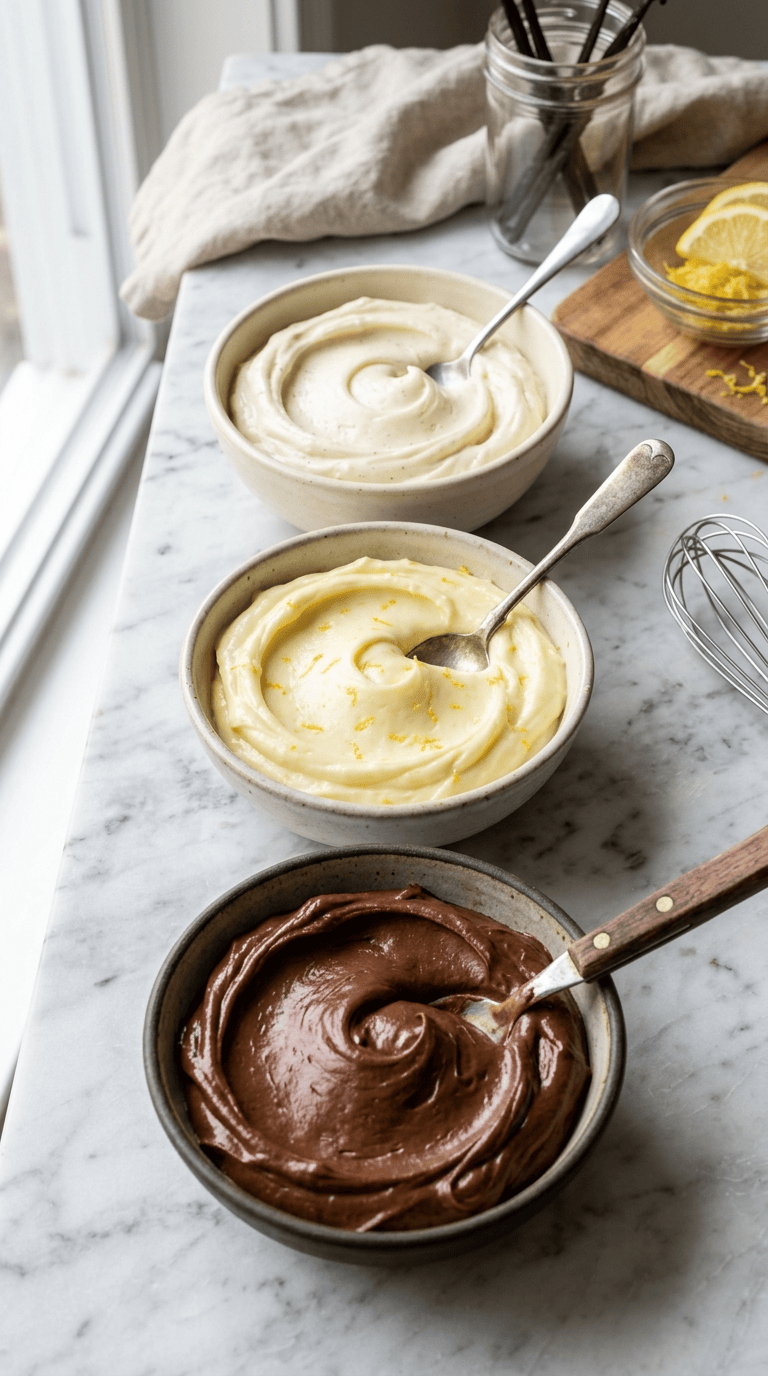
Lemon Cream Cheese Buttercream
Add 1 tablespoon of fresh lemon zest and 1 teaspoon of fresh lemon juice.
This version tastes fantastic on vanilla cupcakes, lemon cake, carrot cake, and sugar cookies.
I especially love the lemon version in spring because it gives a rich frosting a bright little kick.
Cinnamon Cream Cheese Buttercream
Add 1–1½ teaspoons of ground cinnamon.
You can also add a tiny pinch of nutmeg if you enjoy a warmer spice flavor.
Try this version on cinnamon rolls, spice cake, banana cake, or apple cupcakes.
Chocolate Cream Cheese Buttercream
Replace ½ cup of the powdered sugar with ½ cup of unsweetened cocoa powder.
You may need an extra tablespoon or two of milk or cream to bring the frosting back to a smooth consistency.
For an even deeper chocolate flavor, add a small pinch of espresso powder.
Can You Use Salted Butter?
Absolutely.
Salted butter works well in this recipe. Just leave out the added salt initially and taste the finished frosting.
Different butter brands contain different amounts of salt, so tasting gives you better control.
Serving Suggestions

This buttercream cream cheese frosting works with far more than just traditional birthday cake.
Spread it over a vanilla layer cake for a classic combination.
Pipe it onto chocolate cupcakes when you want that sweet-and-tangy contrast.
Try it on carrot cake, where the cream cheese flavor feels right at home.
You can also spread it over banana bread, cinnamon rolls, pumpkin cupcakes, spice cake, red velvet cake, or sugar cookies.
For a simple celebration cake, pipe the frosting around the edges and leave the center slightly rustic. Add fresh berries or a light dusting of cinnamon, and you have an impressive dessert without spending hours decorating.
For cupcakes, a large star piping tip creates those classic bakery-style swirls. I usually start from the outside edge and work toward the center, then finish with a small peak.
And if you’re making a casual sheet cake, don’t worry about perfect decoration. Spread the frosting with an offset spatula and create a few loose swirls. Homemade desserts don’t need to look factory-perfect.
FAQ’s
How long does buttercream cream cheese frosting last?
Store the frosting in an airtight container in the refrigerator for up to 3 days.
Because this recipe contains cream cheese, keep it chilled when you aren’t using it.
Can I freeze cream cheese buttercream?
Yes. Place the frosting in a freezer-safe airtight container and freeze it for up to 2–3 months for the best quality.
Thaw it overnight in the refrigerator. Then let it soften slightly at room temperature and mix it again before spreading or piping.
Why did my frosting turn out too runny?
Warm ingredients, excessive mixing, or too much liquid can create a softer frosting.
Start by chilling the frosting for 15–20 minutes. If it still feels too soft, gradually mix in powdered sugar until it reaches the consistency you need.
Also check your cream cheese. Some softer cream cheese products contain more moisture and may produce a looser frosting.
Can I make this frosting less sweet?
You can reduce the powdered sugar slightly, but powdered sugar also helps create the structure and thickness of the frosting.
I recommend reducing it gradually rather than cutting the amount dramatically. You can also add a little extra cream cheese for tang, but remember that extra cream cheese can make the frosting softer.
Can I use this frosting for piping?
Yes.
For cupcakes and simple cake decorations, this frosting pipes beautifully when you achieve the right consistency.
If it feels too soft, chill it briefly before piping. If it feels too stiff, let it sit at room temperature for a few minutes and stir it gently.
Can I make the frosting ahead of the cake?
Definitely.
I often make the frosting before I decorate the cake because it takes one more thing off my mental checklist.
Store it in the refrigerator, then bring it toward room temperature before using it. Mix it briefly to restore its smooth texture.
Final Thoughts
There’s something wonderfully old-fashioned about a bowl of homemade frosting.
You don’t need complicated equipment or unusual ingredients. You need good butter, creamy cream cheese, powdered sugar, vanilla, and a few minutes with a mixer.
After making this buttercream cream cheese frosting so many times, I’ve learned that the little details matter more than fancy tricks. Use softened ingredients, don’t overbeat the cream cheese, adjust the consistency slowly, and taste as you go.
And please save yourself a spoonful before you frost the cake.
I never seem to manage that part.
Give this frosting a try on your favorite cake or cupcakes, then make it your own with lemon, cinnamon, chocolate, or another flavor you love. If you make it, I’d love to hear what you paired it with and how your frosting turned out.
Leave a Reply
You must be logged in to post a comment.