

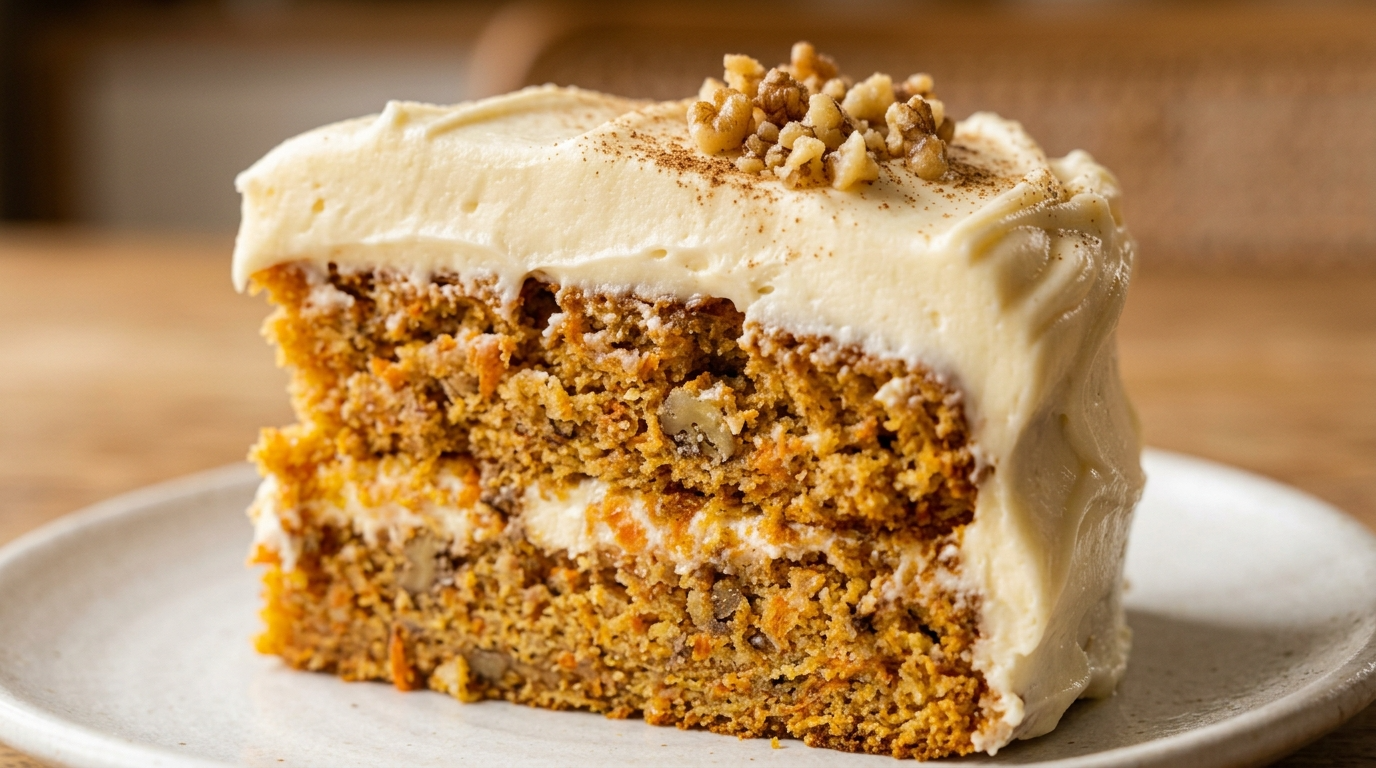
I still remember the first time I made cream cheese frosting and somehow turned it into a sweet, runny puddle. The cake looked beautiful, the frosting tasted great, and then it slowly slid down the sides like it had somewhere better to be.
After a few attempts, I figured out the little things that make a huge difference. Softened cream cheese, properly softened butter, the right amount of powdered sugar, and—most importantly—not overmixing everything into oblivion.
Now, this is the cream cheese frosting I make whenever I bake carrot cake, cupcakes, cinnamon rolls, banana cake, or even a simple sheet cake that needs a little help looking fancy.
It comes together quickly, tastes rich and tangy, and has that lovely creamy texture that makes you want to eat it straight from the mixing bowl. No judgment here. I have absolutely done that.
Why You’ll Love This Recipe

- Quick to make: You can whip it up in about 10 minutes.
- Creamy and smooth: It spreads beautifully over cakes and cupcakes.
- Perfect balance: The tangy cream cheese keeps the frosting from tasting overly sweet.
- Simple ingredients: You only need a handful of everyday baking ingredients.
- Great for many desserts: Use it on cakes, cupcakes, cinnamon rolls, cookies, and brownies.
The best part? You can easily adjust the sweetness and thickness depending on what you’re decorating.
Ingredients

For the Frosting
- 8 ounces (226 g) full-fat block cream cheese, softened
- ½ cup (113 g) unsalted butter, softened
- 3 cups (360 g) powdered sugar, sifted
- 1 teaspoon pure vanilla extract
- Pinch of salt
Optional Ingredients
- 1–2 tablespoons heavy cream or milk, if you want a softer frosting
- 1 teaspoon lemon juice, for a slightly brighter tangy flavor
I strongly recommend using block-style cream cheese instead of the spreadable kind that comes in a tub. Tub cream cheese contains more moisture, and that extra moisture can make your frosting much softer than you want.
For the butter, unsalted works best because you can control the salt yourself. If you only have salted butter, simply skip the added pinch of salt.
And please don’t skip the vanilla. It seems like a tiny amount, but it rounds out the flavor beautifully.
Step-by-Step Instructions

1. Soften the Cream Cheese and Butter
Take the cream cheese and butter out of the refrigerator about 30–60 minutes before mixing.
You want both ingredients soft enough to blend easily, but they shouldn’t feel warm or greasy.
Here’s my little test: press your finger gently into the butter. It should leave an indentation without collapsing completely.
If the butter looks shiny or starts melting, you’ve gone too far.
2. Beat the Butter First
Add the softened butter to a large mixing bowl.
Using a hand mixer or stand mixer fitted with the paddle attachment, beat the butter for about 1–2 minutes on medium speed.
It should look smooth and slightly fluffy.
I started doing this after realizing that throwing everything into the bowl at once sometimes left tiny lumps of butter hiding in the finished frosting.
This extra minute makes a noticeable difference.
3. Add the Cream Cheese
Add the softened cream cheese to the butter.
Beat them together on medium speed for about 30–60 seconds, just until smooth.
Don’t keep mixing for five minutes because you’re waiting for some magical frosting transformation.
Cream cheese can become softer the longer you beat it, and that can make the finished frosting difficult to spread.
4. Add the Powdered Sugar
Lower the mixer speed and gradually add the sifted powdered sugar.
Add about ½ cup at a time, mixing briefly after each addition.
Keep the mixer on low while adding the sugar unless you enjoy covering your kitchen counter in powdered sugar.
Once you’ve added all three cups, scrape down the sides of the bowl with a spatula.
5. Add Vanilla and Salt
Add 1 teaspoon vanilla extract and a small pinch of salt.
Mix on low speed for about 20–30 seconds, just until everything comes together.
Taste a little frosting.
If you want more sweetness, add another tablespoon or two of powdered sugar. If you want a slightly brighter flavor, add a tiny splash of lemon juice.
6. Check the Texture
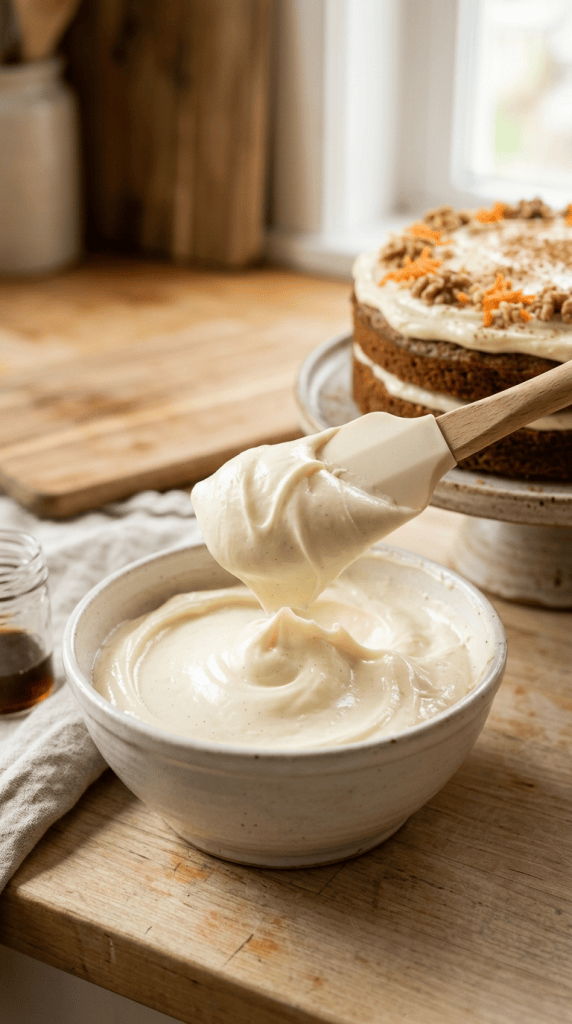
Your frosting should look creamy, smooth, and thick enough to hold its shape.
When you lift the mixer, the frosting should cling to the beaters rather than immediately running off.
If it’s too thick, add 1 teaspoon of milk or heavy cream at a time.
If it’s too soft, place the bowl in the refrigerator for 15–20 minutes and check it again.
Don’t immediately dump in half a bag of powdered sugar. I’ve made that mistake, and the frosting went from creamy to ridiculously sweet very quickly.
7. Frost Your Dessert
Once your frosting reaches the texture you want, spread it over a completely cooled cake or pipe it onto cupcakes.
For a simple cake, use an offset spatula and make loose swirls across the top.
For cupcakes, transfer the frosting into a piping bag fitted with your favorite tip.
If you’re frosting a layer cake, chill the cake layers first. Cold cake layers make the decorating process much easier and reduce crumbs mixing into the frosting.
Pro Tips & Tricks
Use Full-Fat Block Cream Cheese
This is probably my biggest tip.
Full-fat block cream cheese gives you a thicker, richer frosting. Spreadable tub cream cheese usually contains more moisture, which can make the frosting loose.
If you want frosting that holds its shape on cupcakes, start with the right cream cheese.
Don’t Melt the Butter
Soft butter and melted butter are completely different things here.
Softened butter should still hold its shape. Melted butter can make the frosting greasy and loose.
If you forgot to soften your butter, cut it into small cubes and leave it at room temperature for a little while. That works much better than microwaving it until half of it becomes liquid.
Sift the Powdered Sugar
I know, I know. Sifting feels like one more annoying baking step.
But it helps create smoother frosting, especially if your powdered sugar has been sitting in the pantry for a while.
If you use a stand mixer, you can still sift it directly into the bowl gradually.
Don’t Overbeat the Cream Cheese
This one took me a few batches to learn.
Cream cheese gets softer as you beat it. Once the frosting becomes smooth and creamy, stop mixing.
You don’t need to whip it for ages.
Chill Soft Frosting
If your kitchen feels warm or your frosting seems softer than expected, refrigerate it for 15–30 minutes.
That little chill can make a big difference.
I often chill my frosting before piping it onto cupcakes because it gives the frosting better definition.
Frost Only a Completely Cool Cake
Warm cake and cream cheese frosting don’t make a good team.
The heat softens the frosting and can cause it to slide around.
Let your cake cool completely before decorating. If you’re in a hurry, place the cooled cake in the refrigerator for a short time before frosting.
Make It Ahead
You can prepare the frosting up to 3 days ahead.
Store it in an airtight container in the refrigerator. When you’re ready to use it, let it sit at room temperature for a short time and gently mix it until creamy again.
Variations & Substitutions
Chocolate Cream Cheese Frosting
For a chocolate version, add ¼ cup unsweetened cocoa powder along with the powdered sugar.
You may need an extra tablespoon or two of powdered sugar depending on the texture you want.
This version tastes especially good with chocolate cupcakes and chocolate sheet cake.
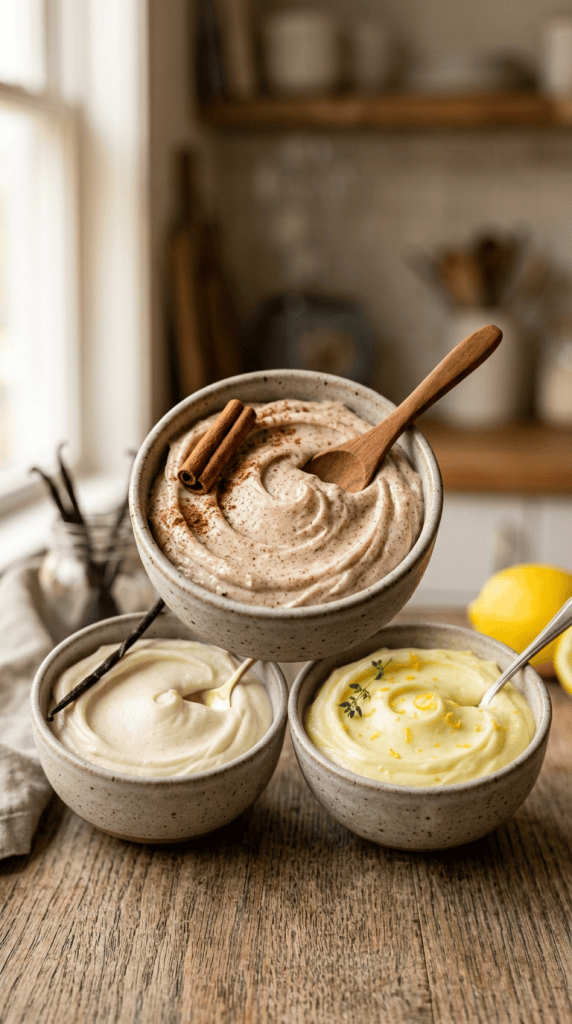
Cinnamon Cream Cheese Frosting
Add 1 teaspoon ground cinnamon to the finished frosting.
For an even warmer flavor, add a tiny pinch of nutmeg.
I love this version on cinnamon rolls, apple cake, carrot cake, and pumpkin cupcakes.
Lemon Cream Cheese Frosting
Add 1 teaspoon fresh lemon juice plus a little finely grated lemon zest.
The citrus cuts through the richness and gives the frosting a fresh, bright flavor.
I especially like it on vanilla cupcakes and simple lemon cake.
Can You Use Salted Butter?
Absolutely.
If salted butter is what you have, use it and skip the extra pinch of salt.
The flavor may vary slightly depending on how salty the butter is, so taste the frosting before adding anything else.
Can You Use Whipped Cream Cheese?
You can, but I don’t recommend it when you need a thick frosting for piping or decorating.
Whipped and spreadable cream cheeses usually contain more air and can behave differently from full-fat block cream cheese.
For the thickest, most reliable frosting, stick with block cream cheese.
Serving Suggestions

This frosting has a pretty impressive resume.
Spread it over a classic carrot cake and add a sprinkle of chopped walnuts.
Pipe it onto vanilla cupcakes for birthdays, bake sales, or afternoon treats.
Spoon it over cinnamon rolls while they’re still slightly warm so the frosting melts into all those little swirls.
You can also use it between layers of banana cake, on red velvet cupcakes, over pumpkin bread, or as a filling for sandwich cookies.
For a simple dessert, spread the frosting over a cooled sheet cake and finish it with chopped pecans.
If you’re serving the cake at a party, keep the frosted dessert chilled until reasonably close to serving time, especially if your kitchen is warm.
And if you’re making cupcakes for a gathering, I recommend piping the frosting shortly before serving. The swirls look prettier, and the frosting keeps a lovely texture.
FAQ’s
How long does cream cheese frosting last in the refrigerator?
Store cream cheese frosting in an airtight container in the refrigerator for up to 3 days.
Keep it chilled until you’re ready to use it. Before spreading, let it soften slightly and gently stir it until smooth.
Can I freeze cream cheese frosting?
Yes.
Place the frosting in a freezer-safe airtight container and freeze it for up to 1 month for the best quality.
Thaw it overnight in the refrigerator, then let it soften slightly before gently mixing it again.
Why is my cream cheese frosting runny?
The most common reasons include using warm ingredients, using spreadable tub cream cheese, adding too much liquid, or overmixing the cream cheese.
First, refrigerate the frosting for 15–30 minutes.
If it still feels too soft, gradually add a little more powdered sugar until it reaches the texture you need.
Can I make this frosting ahead of time?
Yes.
You can make it up to 3 days ahead and keep it refrigerated.
Give it a gentle stir before using. If you plan to pipe it, allow it to soften enough to pass easily through your piping tip.
Why does my frosting have lumps?
Cold cream cheese or butter usually causes lumps.
Let both ingredients soften properly before mixing, and sift your powdered sugar.
If you already made the frosting and notice small lumps, continue mixing briefly and scrape down the bowl. Don’t overbeat it while trying to remove every tiny lump.
Can I use cream cheese frosting on a warm cake?
I wouldn’t.
Let the cake cool completely first. A warm cake can soften the frosting and make it slide, melt, or soak into the cake.
For layer cakes, chilling the cake before frosting can make decorating much easier.
Final Thoughts
After making plenty of batches of cream cheese frosting, I’ve learned that the recipe itself isn’t complicated. The little details make the difference.
Use properly softened ingredients, choose block-style cream cheese, add the powdered sugar gradually, and stop mixing once everything looks smooth.
That’s really it.
The next time you’re staring at a plain cake wondering how to make it feel a little more special, grab your mixer and make a batch of this frosting. You might end up licking the spatula before the cake ever gets decorated.
And honestly, that’s part of the fun.
If you make this recipe, I’d love to hear what you put it on—carrot cake, cupcakes, cinnamon rolls, or something completely different. Happy baking!
Leave a Reply
You must be logged in to post a comment.