

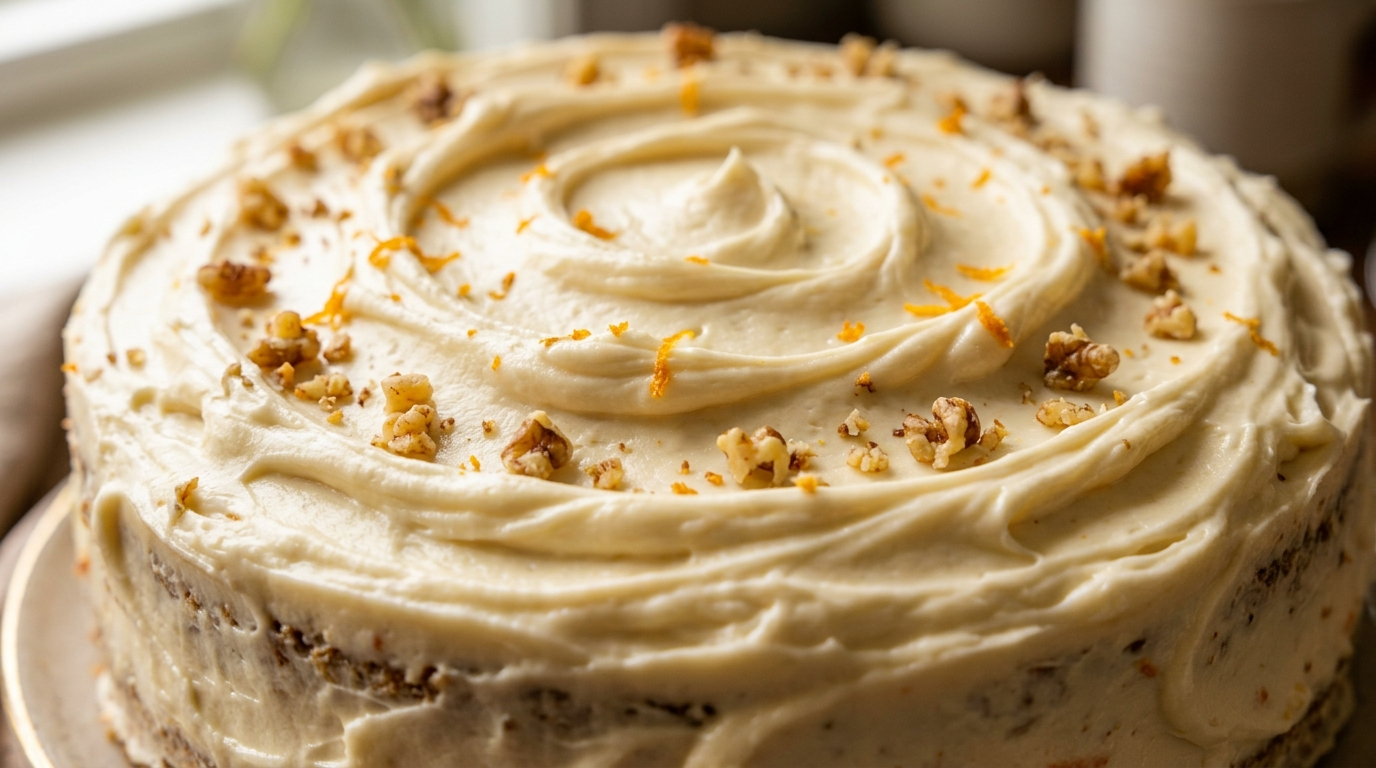
I still remember the first time I made cream cheese frosting and thought, “Well, this is going to be easy.” Famous last words.
I grabbed cold cream cheese from the fridge, tossed everything into a bowl, and started mixing. The result tasted delicious, but it looked more like a sweet, lumpy cloud than the silky frosting I had pictured. Thankfully, frosting forgives a lot of mistakes.
After making it dozens of times, I finally figured out the little things that make a huge difference. Softened cream cheese, softened butter, the right amount of powdered sugar, and a little patience can turn a basic frosting into something smooth, creamy, and spreadable.
This easy cream cheese frosting recipe has become one of my kitchen staples. I use it on carrot cake, cinnamon rolls, cupcakes, banana bread, cookies, and pretty much anything that looks like it could use a sweet little blanket of frosting.
And yes, sometimes that frosting mysteriously disappears from the bowl before the cake gets decorated. I have no idea how that happens.
Why You’ll Love This Recipe

- Super easy: You only need a handful of everyday ingredients and one mixing bowl.
- Creamy and smooth: Properly softened ingredients give you that lovely spreadable texture.
- Not overly complicated: No cooking, no stovetop, and no fancy equipment required.
- Easy to adjust: You can make it thicker, softer, sweeter, or more tangy.
- Perfect for so many desserts: Cakes, cupcakes, cinnamon rolls, cookies, brownies, and quick breads all get along beautifully with it.
The best part? You can make this frosting in about 10 minutes.
That makes it especially handy when you realize at the last minute that your cake looks a little too naked.
Ingredients List

You only need six basic ingredients. I recommend using full-fat block-style cream cheese for the creamiest texture.
Cream Cheese Frosting Ingredients
- 8 ounces (226 g) full-fat cream cheese, softened
- ½ cup (113 g) unsalted butter, softened
- 3 cups (360 g) powdered sugar, sifted
- 1 teaspoon pure vanilla extract
- Pinch of salt
- 1–2 tablespoons heavy cream or milk, only if needed for a softer consistency
I usually use unsalted butter because I like controlling the salt myself. If you only have salted butter, you can use it and simply skip the extra pinch of salt.
For the cream cheese, choose the brick-style cream cheese rather than the whipped or tub-style variety. Tub cream cheese often contains more moisture, which can make your frosting softer than you want.
And please don’t skip the vanilla. It seems like a small amount, but it gives the frosting that familiar bakery-style flavor.
Step-by-Step Instructions

1. Soften the Cream Cheese and Butter — About 30–60 Minutes
Take the cream cheese and butter out of the refrigerator before you start.
Let both ingredients soften at room temperature. They should feel soft when you gently press them, but they should not look melted or greasy.
This step matters more than you might think.
I once rushed this part because I was impatient. My mixer worked overtime trying to smooth out cold cream cheese, and I ended up with tiny lumps. Now I give the ingredients time to soften properly.
2. Beat the Butter — About 2 Minutes
Add the softened butter to a large mixing bowl.
Using a hand mixer or stand mixer, beat the butter on medium speed for about 2 minutes.
It should look lighter, smoother, and slightly fluffy.
Scrape down the sides of the bowl with a spatula if needed.
Don’t rush this step. A couple of minutes of mixing gives you a much better starting texture.
3. Add the Cream Cheese — About 1–2 Minutes
Add the softened cream cheese to the butter.
Beat them together on medium speed until the mixture looks smooth and creamy.
Usually, 1 to 2 minutes does the job.
Try not to keep beating the cream cheese mixture forever. Overmixing can make cream cheese frosting softer, especially if your kitchen feels warm.
4. Add the Powdered Sugar — About 2–3 Minutes
Turn the mixer to low speed.
Add the powdered sugar gradually, about ½ cup at a time.
This keeps the sugar from flying all over your kitchen. Trust me, I learned this lesson the messy way.
Once you’ve added all the sugar, add the vanilla extract and a pinch of salt.
Increase the mixer speed to medium and beat until everything looks smooth.
5. Check the Texture
Now comes the fun part.
Lift your spatula or mixer beaters and check how the frosting falls.
For cupcakes, I like frosting that feels thick enough to hold a soft peak.
For spreading over a cake, I prefer something slightly softer and easier to move around.
If the frosting feels too thick, add 1 teaspoon of milk or heavy cream at a time and mix briefly.
If it feels too soft, add a little more powdered sugar.
Don’t add a lot at once. Small adjustments give you much better control.
6. Give It a Final Scrape and Mix — About 30 Seconds
Scrape the sides and bottom of the bowl.
Give the frosting one final quick mix.
At this point, it should look smooth, creamy, and fluffy without feeling runny.
If you’re piping it onto cupcakes, transfer it to a piping bag and use it immediately or chill it briefly first.
Pro Tips & Tricks

Use Block Cream Cheese
This is probably my biggest tip.
Block-style cream cheese usually gives you a thicker frosting than spreadable cream cheese from a tub. If you want frosting that sits nicely on cupcakes or cake layers, use the block.
Don’t Melt the Butter
Softened butter and melted butter behave very differently.
You want the butter soft enough to mix easily but firm enough to hold its shape. If it looks shiny, oily, or partially melted, put it back in the refrigerator for a few minutes.
Sift Powdered Sugar for Extra Smooth Frosting
I don’t always sift powdered sugar when I’m making frosting for a casual family cake.
But when I want an especially smooth finish, I do.
Sifting removes stubborn little lumps and makes the finished frosting easier to spread and pipe.
Don’t Overbeat the Frosting
This surprised me when I first started making cream cheese frosting.
More mixing doesn’t always mean better frosting.
Once everything looks smooth and fluffy, stop. Too much mixing can make the frosting softer, particularly when the cream cheese warms up.
Chill It If Your Kitchen Is Warm
If your kitchen feels warm or you’re decorating a cake on a hot day, place the frosting in the refrigerator for about 15–20 minutes.
It firms up nicely and becomes easier to spread.
I often chill it briefly before piping cupcakes because it helps the swirls hold their shape.
Keep the Finished Frosting Refrigerated
Because this frosting contains cream cheese, store it in the refrigerator.
Place it in an airtight container and use it within about 4–5 days for the best quality.
Let refrigerated frosting sit at room temperature for a short time before spreading if it becomes very firm.
Variations & Substitutions

The classic version is hard to beat, but you can easily change the flavor.
Cinnamon Cream Cheese Frosting
Add ½ to 1 teaspoon ground cinnamon along with the powdered sugar.
I love this version on cinnamon rolls, apple cake, pumpkin cupcakes, and banana bread.
For an extra cozy flavor, add a tiny pinch of nutmeg.
Lemon Cream Cheese Frosting
Add 1 teaspoon finely grated lemon zest and about 1 tablespoon fresh lemon juice.
Start with a small amount of juice because too much liquid can loosen the frosting.
This version tastes especially good with vanilla cupcakes, lemon cake, blueberry muffins, and carrot cake.
Maple Cream Cheese Frosting
Replace some of the vanilla with 1–2 tablespoons pure maple syrup.
Because maple syrup adds liquid, you may need a little extra powdered sugar to keep the frosting thick.
This combination works beautifully with spice cake, pumpkin bread, carrot cake, and fall cupcakes.
Can You Make It Less Sweet?
Yes.
You can reduce the powdered sugar slightly, but remember that powdered sugar also helps create the frosting’s structure.
If you remove too much, the frosting may become softer and more tangy.
I usually start with 2½ cups if I want a less-sweet frosting and then add more if the texture needs it.
Serving Suggestions

This easy cream cheese frosting recipe works with far more than just traditional cake.
Spread it over carrot cake for the classic combination. The tangy cream cheese balances the warm spices beautifully.
Use it on red velvet cupcakes when you want that familiar sweet-and-tangy finish.
It also works wonderfully on cinnamon rolls. I like spreading it over warm rolls while they’re still slightly warm so the frosting melts into all those little cinnamon-filled layers.
Try it on banana bread when you want to turn an everyday loaf into something that feels a little more special.
You can also spread a thin layer between two soft cookies for a homemade sandwich cookie.
For cupcakes, pipe a simple swirl on top and finish with a sprinkle of cinnamon, chopped nuts, or a little lemon zest depending on the flavor.
And if you’re making a birthday cake, don’t worry about achieving a perfectly smooth bakery finish. A few casual swirls actually make homemade cakes look more inviting.
FAQ’s
How long does cream cheese frosting last in the refrigerator?
You can store cream cheese frosting in an airtight container in the refrigerator for about 4–5 days.
Keep it chilled and don’t leave it sitting at room temperature for extended periods.
Before using refrigerated frosting, let it soften slightly and give it a quick stir if needed.
Can I make cream cheese frosting ahead of time?
Absolutely.
You can make it a day or two ahead and keep it covered in the refrigerator.
When you’re ready to use it, let it soften for a little while, then stir or briefly mix it until it becomes spreadable again.
This makes cake decorating day much less stressful.
Why is my cream cheese frosting runny?
A few things can cause runny frosting.
Your cream cheese may contain too much moisture, your butter may have become too warm, or you may have added too much milk or cream.
Place the frosting in the refrigerator for 15–30 minutes first. If it still feels too soft, gradually mix in more powdered sugar.
Can I freeze cream cheese frosting?
Yes.
Place the frosting in an airtight freezer-safe container and freeze it for up to about 2–3 months for best quality.
Thaw it in the refrigerator, then let it soften slightly before mixing it again.
The texture may change a little after freezing, but a quick stir or brief beating usually helps bring it back together.
Can I use cream cheese frosting for piping?
Yes, but keep in mind that cream cheese frosting is naturally softer than some traditional buttercream frostings.
For simple cupcake swirls, it works very well when properly chilled.
If you’re working in a warm kitchen, chill the frosting before piping and keep the decorated cupcakes refrigerated until you’re ready to serve them.
Why does my frosting have lumps?
Cold cream cheese or butter usually causes those annoying little lumps.
Make sure both ingredients soften properly before mixing.
Sifting the powdered sugar also helps create a smoother frosting.
If you’ve already made the frosting and notice a few lumps, keep mixing briefly and scrape the bowl thoroughly.
Final Thoughts
After making this frosting more times than I can count, I’ve learned that the recipe itself isn’t complicated. The little details make the difference.
Use softened ingredients. Choose block cream cheese. Add the powdered sugar gradually. And don’t beat the frosting into oblivion just because your mixer is already running.
Once you get those basics right, you have a creamy homemade frosting that can rescue a plain cake, turn simple cupcakes into party treats, and make a batch of cinnamon rolls feel downright special.
I especially love that you can change the flavor depending on what you’re baking. A little cinnamon here, some lemon zest there, maybe maple when fall rolls around.
So grab a bowl, soften that cream cheese, and give this easy cream cheese frosting recipe a try. And if a spoonful or two mysteriously disappears while you’re decorating, well… that’s just part of the baking process.
Leave a Reply
You must be logged in to post a comment.