

I still remember the first time I made cream cheese frosting. I was nineteen, standing in my mom’s cramped kitchen, armed with a hand mixer and way too much confidence. I’d volunteered to bring cupcakes to my cousin’s baby shower, and I figured frosting was frosting, right? I dumped cold cream cheese straight from the fridge into a bowl with powdered sugar and beat the living daylights out of it.
What I got was a soupy, lumpy mess that slid right off the cupcakes and pooled on the platter like a sad little puddle. My mom walked in, took one look at my face, and laughed. Then she taught me the two rules that changed everything: let the cream cheese come to room temperature, and don’t rush the butter.
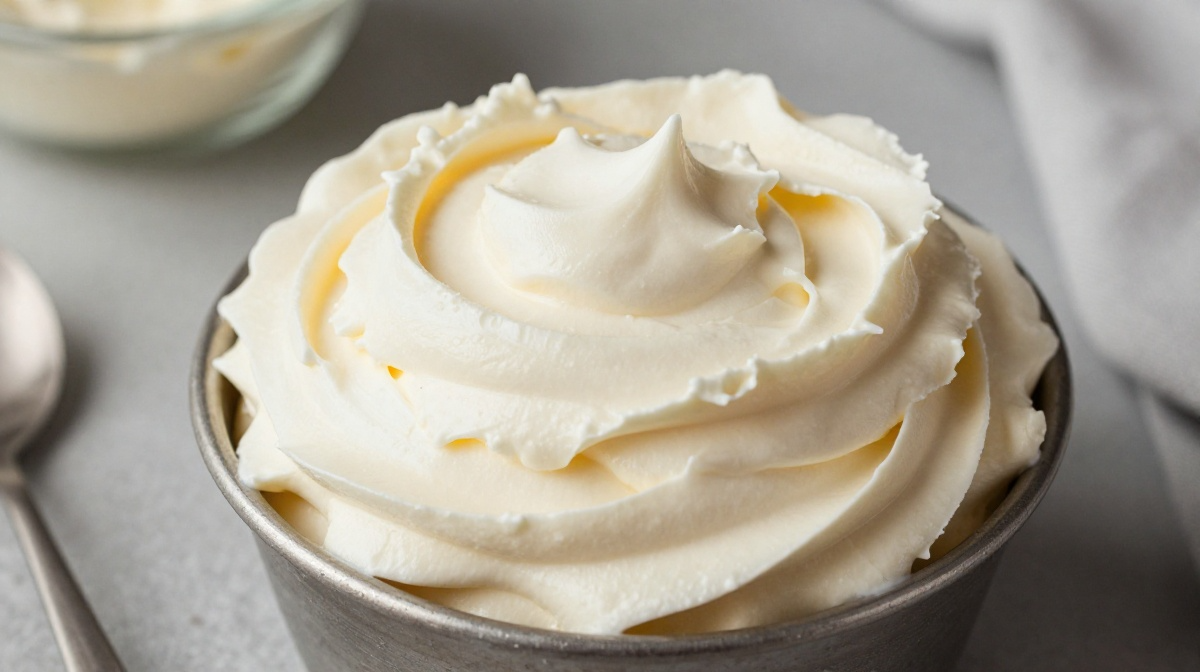
I’ve made cream cheese frosting hundreds of times since then. Birthday cakes, carrot cakes, red velvet, cinnamon rolls at Christmas, and yes, more than a few spoonfuls eaten straight from the bowl when nobody was watching. I’ve tweaked and tested and learned from every batch. This recipe is the one I keep coming back to. It’s tangy but sweet, thick enough to hold a swirl, and stable enough to sit on a cake for hours without wilting.
If you’ve ever had frosting that tasted like sweetened cream cheese soup, this is your redemption arc.
Why You’ll Love This Recipe

- It actually holds its shape. Pile it high on cupcakes or pipe it into rosettes. No sad, sliding frosting here.
- Five ingredients, one bowl. You probably already have everything you need.
- Perfectly balanced. Tangy cream cheese and rich butter keep it from tasting like straight sugar.
- Foolproof if you follow the temperature rules. Room temperature ingredients are the whole game.
- Endlessly adaptable. Vanilla, lemon, chocolate, cinnamon — it plays well with everything.
Ingredients List

Here’s what you need. Real quantities, no guessing.
For the frosting:
- 8 oz (227 g) full-fat cream cheese, softened to room temperature
- ½ cup (1 stick / 113 g) unsalted butter, softened to room temperature
- 3 cups (360 g) powdered sugar, sifted if lumpy
- 1 ½ teaspoons vanilla extract
- A pinch of fine salt (about ⅛ teaspoon)
Optional add-ins:
- 1–2 tablespoons heavy cream, only if the frosting feels too stiff
- Zest of one lemon for a citrus version
- 2 tablespoons cocoa powder for a light chocolate twist
A quick note on substitutions: Use full-fat cream cheese. The light or whipped tub versions contain extra water and stabilizers, and your frosting will turn out thin and grainy. If you’re dairy-free, a good plant-based cream cheese block (like Violife or Miyoko’s) works, but chill the frosting longer before piping. Salted butter works in a pinch, but cut the added salt and taste as you go.
Step-by-Step Instructions

- Take everything out of the fridge early. (30–60 minutes ahead)
This is the step everyone skips and then regrets. Set your cream cheese and butter on the counter at least 30 minutes before you start. In a warm kitchen, 45 minutes does it. The cream cheese should feel like soft clay when you press it. If it’s still cool in the middle, keep waiting. Cold cream cheese is the number one cause of lumpy frosting. - Beat the butter first. (2 minutes)
In the bowl of a stand mixer fitted with the paddle attachment, or in a large bowl with a hand mixer, beat the butter on medium speed until it’s smooth, pale, and creamy. Scrape down the sides with a spatula. You want no hard bits left. - Add the cream cheese and beat again. (1–2 minutes)
Drop in the cream cheese and beat on medium until the two are completely combined. Scrape the bowl again. At this point the mixture should look glossy and uniform, like thick mayonnaise. - Add the vanilla and salt. (15 seconds)
Pour in the vanilla and the pinch of salt. Beat briefly to mix. The salt is small but mighty — it wakes up the tang in the cream cheese and keeps the whole thing from tasting flat. - Add the powdered sugar, one cup at a time. (3–4 minutes total)
Turn the mixer to low — seriously, low, unless you want a powdered sugar snowstorm across your kitchen. Add the sifted powdered sugar one cup at a time, mixing until each addition disappears before adding the next. Once it’s all in, scrape the bowl and beat on medium-high for about a minute until the frosting is fluffy and thick. - Check the consistency.
Lift the beater. The frosting should hold a soft peak and fall back slowly. If it’s too thick to spread, add heavy cream one teaspoon at a time. If it’s too loose, beat in another ¼ cup of powdered sugar, or just pop the bowl in the fridge for 20 minutes. - Use it right away, or chill it.
This frosting spreads beautifully at room temperature. If you’re piping, chill it for 15–20 minutes first so it firms up and holds sharp edges.
Pro Tips & Tricks
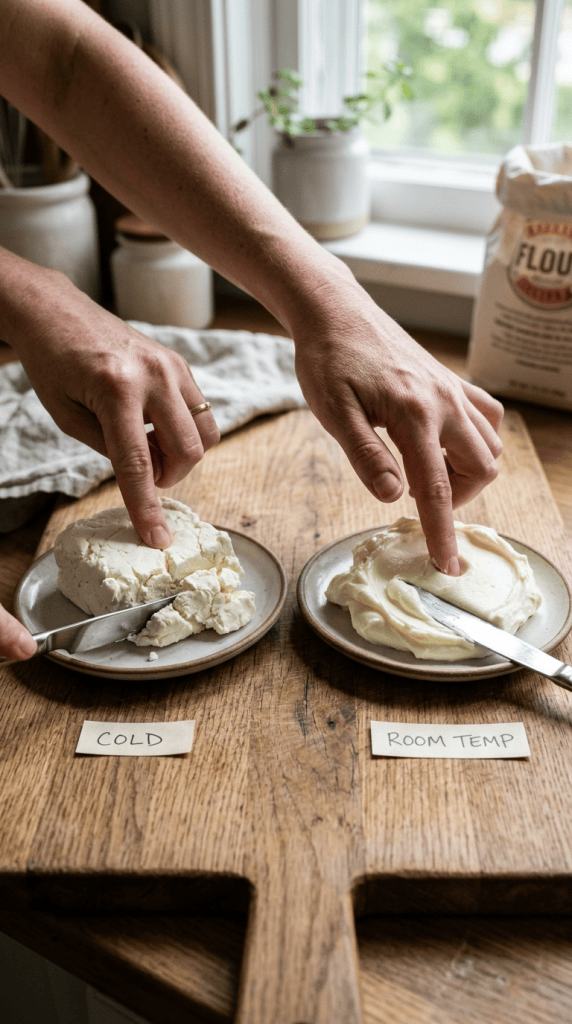
- Temperature is everything. If your cream cheese is even slightly cold, you’ll get little lumps that no amount of beating will fix. Patience here saves the whole batch.
- Don’t overbeat after adding the sugar. Once the frosting comes together, stop. Beating it for minutes on end adds air, and too much air makes it loose and grainy.
- Sift your powdered sugar. I know it feels like an extra step. Do it anyway. Lumpy sugar means lumpy frosting, and sifting takes thirty seconds.
- Storage: Keep frosted cakes and cupcakes in the fridge if it’s hot out. The frosting firms up when cold, so let baked goods sit on the counter for 20–30 minutes before serving for the best texture.
- Make-ahead: You can make this frosting up to three days ahead. Store it in an airtight container in the fridge, then let it soften on the counter and give it a quick stir or a 30-second beat before using.
Variations & Substitutions

Lemon cream cheese frosting: Add the zest of one lemon and swap the vanilla for a tablespoon of fresh lemon juice. It’s unreal on blueberry muffins or a simple vanilla cake.
Chocolate cream cheese frosting: Sift ¼ cup of unsweetened cocoa powder with the powdered sugar. It turns a soft, milk-chocolate color and tastes like the inside of a chocolate truffle.
Cinnamon spice version: Add a teaspoon of cinnamon and a pinch of nutmeg. This is the one I make for carrot cake and pumpkin bars in the fall.
Vegan option: Use a firm plant-based cream cheese block and vegan butter. Chill the finished frosting for at least 30 minutes before spreading, since plant-based versions soften faster.
Less sweet: Cut the powdered sugar to 2 ½ cups and add an extra pinch of salt. It’ll be softer, so plan to chill it before piping.
Serving Suggestions

This frosting belongs on carrot cake, red velvet cake, banana cake, cinnamon rolls, sugar cookies, and graham crackers when you’re desperate for a snack. I’ve also piped it onto strawberry shortcake and used it as a dip for apple slices, which feels a little decadent but is absolutely worth it.
It’s the frosting I bring to potlucks, bake sales, and birthday parties because it pleases just about everyone. It’s rich without being cloying, and the tang keeps people coming back for a second slice. If you’re making a layer cake, this recipe frosts a two-layer 8-inch cake generously, or about 24 cupcakes with a good swirl on top.
FAQ’s
How long does cream cheese frosting last in the fridge?
Stored in an airtight container, it keeps for up to five days. On a frosted cake, it’s best within three days for texture and freshness.
Can I freeze cream cheese frosting?
Yes, but with a caveat. Freeze it in an airtight container for up to two months, then thaw overnight in the fridge. It may look slightly separated after thawing — just beat it briefly to bring it back together. I don’t recommend freezing a fully frosted cake, since the texture changes.
Why is my frosting runny?
Usually one of two reasons: your cream cheese was too soft or warm, or you used a low-fat or whipped cream cheese that contains extra water. Chill the frosting for 30 minutes, and if it’s still loose, beat in a little more powdered sugar.
Can I use this frosting for piping?
Absolutely. Chill it for 15–20 minutes first so it firms up. It holds a star tip and rosette beautifully, and it sets well once the cake is refrigerated.
Can I make this without a stand mixer?
Yes. A hand mixer works perfectly. You can even do it by hand with a sturdy whisk and some elbow grease, though you’ll want your butter and cream cheese very soft.
What if I only have salted butter?
Use it, but skip the added salt. Taste the frosting after mixing and add a tiny pinch more only if it needs it.
Final Thoughts
I hope this recipe becomes the one you scribble on an index card and tuck into your recipe box, stained with butter and vanilla. It’s the frosting I’ve made for the people I love most, and it’s never once let me down since I learned to slow down and let the cream cheese warm up.
If you make it, I’d love to hear how it goes. Did you pipe it? Swirl it? Eat a spoonful before it ever touched a cupcake? Tell me in the comments, and if you snap a photo, tag me — I genuinely get a kick out of seeing what you create. Now go preheat that oven and soften that butter. Your cake is waiting.
Leave a Reply
You must be logged in to post a comment.