

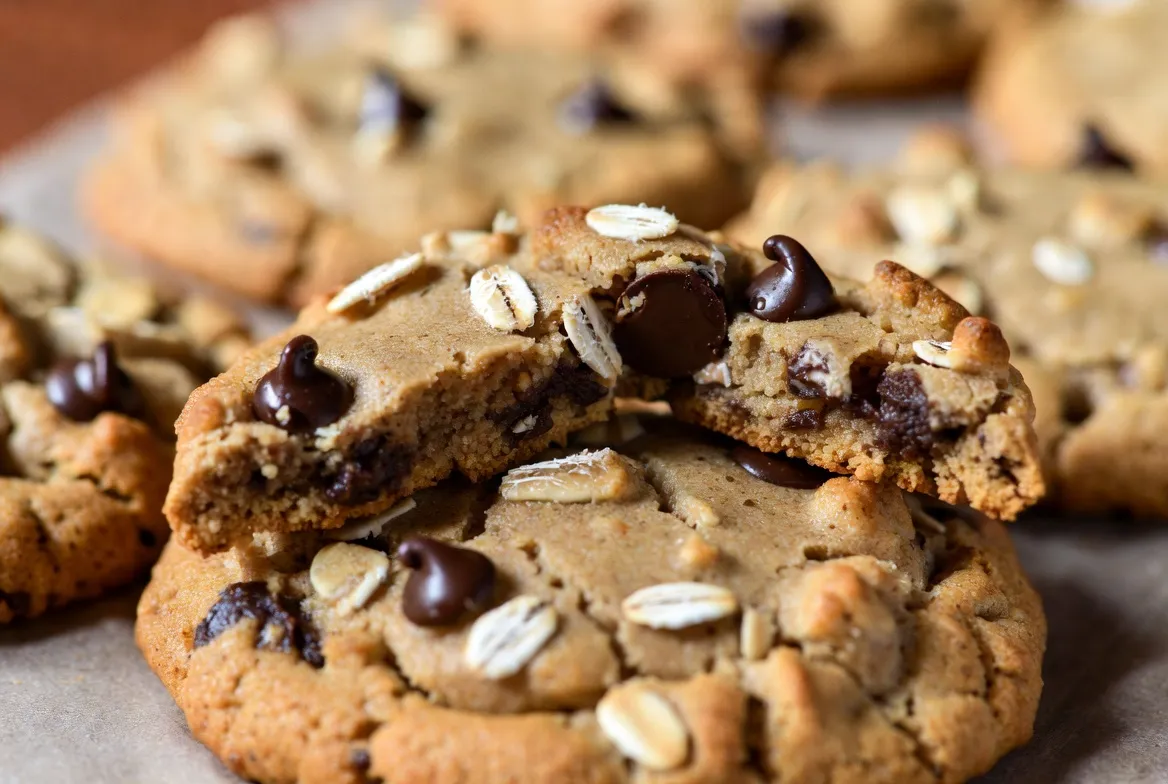
I still remember the first time these cookies saved a rainy Saturday. My kids were bouncing off the walls, the house smelled like wet pavement, and I had exactly one stick of butter left and a half-empty canister of oats. Twenty minutes later, the kitchen was quiet, everyone was chewing, and I was the hero of the afternoon. That batch had a soft, almost under-baked center that stayed chewy for days. I’ve made these oatmeal cookies at least fifty times since then, tweaking the brown sugar, chilling the dough, and learning the exact moment to pull them from the oven. This is the version that finally stuck—the one friends text me for after every potluck.
Why You’ll Love This Recipe
- Ready from bowl to cooling rack in under 30 minutes
- Soft, chewy centers with just enough crisp edge
- Pantry staples only—no fancy ingredients
- Freezer-friendly dough and baked cookies
- Crowd-pleaser that disappears faster than you can say “seconds”

Ingredients
For the cookie dough
- 1 cup (226 g) unsalted butter, softened to room temperature
- 1 cup (200 g) packed light brown sugar
- ½ cup (100 g) granulated sugar
- 2 large eggs, room temperature
- 2 teaspoons pure vanilla extract
- 1½ cups (190 g) all-purpose flour
- 1 teaspoon baking soda
- 1 teaspoon ground cinnamon
- ½ teaspoon fine sea salt
- 3 cups (270 g) old-fashioned rolled oats (not instant)
- 1 cup (170 g) semi-sweet chocolate chips or raisins (optional but highly recommended)

Optional add-ins
- ½ cup chopped toasted walnuts or pecans
- Flaky sea salt for sprinkling on top right after baking
You can swap the chocolate chips for raisins if you prefer the classic version, or use a mix of both. Gluten-free 1:1 flour works in place of all-purpose if needed.
Step-by-Step Instructions

- Preheat your oven to 350°F (175°C). Line two baking sheets with parchment paper. I like the light-colored sheets so the bottoms don’t brown too fast.
- In a large mixing bowl (or the bowl of a stand mixer fitted with the paddle), cream the softened butter with both sugars on medium speed for about 2 minutes until light and fluffy. Scrape down the sides halfway through. The mixture should look creamy, not grainy.
- Add the eggs one at a time, beating well after each. Pour in the vanilla and mix until combined. The batter will look glossy and smooth.
- In a separate medium bowl, whisk together the flour, baking soda, cinnamon, and salt. Add this dry mixture to the wet ingredients and mix on low just until the flour disappears. Over-mixing makes tough cookies, so stop as soon as you no longer see white streaks.
- Stir in the oats with a wooden spoon or rubber spatula. The dough will feel thick and a little sticky—that’s perfect. Fold in the chocolate chips or raisins if using.
- Scoop the dough into 2-tablespoon portions (I use a medium cookie scoop). Roll lightly into balls and place 2 inches apart on the prepared sheets. For thicker cookies, gently press the tops just a little.
- Bake one sheet at a time for 10–12 minutes. The edges should look set and golden while the centers still look slightly underdone and puffy. They continue cooking on the hot sheet, so don’t wait for the centers to look fully baked.
- Let the cookies rest on the baking sheet for 5 minutes, then transfer to a wire rack to cool completely. The centers will firm up into that perfect soft chew as they cool.
Pro Tips & Tricks
Room-temperature butter is non-negotiable. Cold butter won’t cream properly, and you’ll end up with dense cookies. If you forgot to take it out, cut it into small pieces and let it sit for 15 minutes—it softens faster.
Chill the scooped dough balls for 20–30 minutes if your kitchen is warm. This keeps the cookies from spreading too thin and gives you thicker, chewier results.
Under-bake by one minute. I learned this the hard way after years of dry cookies. Pull them when the centers still look a little soft. They set up perfectly as they cool.
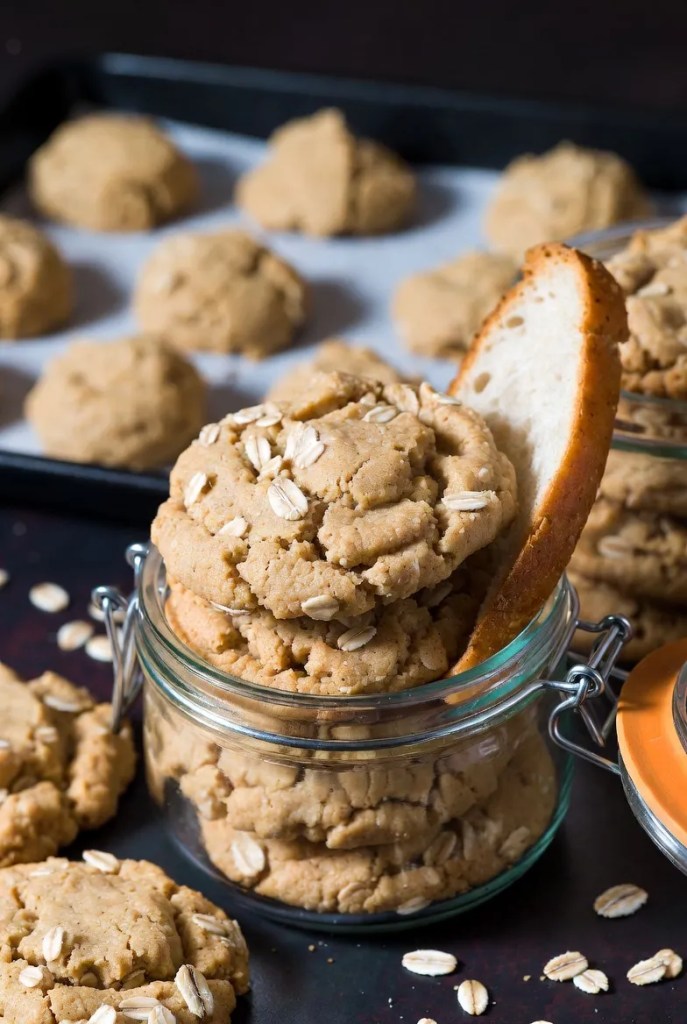
Store cooled cookies in an airtight container with a slice of bread. The bread keeps them soft for up to 5 days. For longer storage, freeze the baked cookies in a single layer, then transfer to a freezer bag for up to 3 months. Reheat from frozen in a 300°F oven for 5 minutes.
Make the dough ahead. Scoop the balls, freeze solid on a tray, then bag them. Bake straight from frozen, adding 1–2 extra minutes.
For a vegan version, use plant-based butter and flax eggs (1 tablespoon ground flax + 3 tablespoons water per egg, let sit 5 minutes). The texture stays remarkably close.
Gluten-free friends: swap the all-purpose flour for a good 1:1 gluten-free blend and make sure your oats are certified gluten-free. The cookies still turn out chewy and soft.
Want something different? Stir in ½ cup shredded coconut and a handful of white chocolate chips for a tropical twist, or add 1 teaspoon espresso powder with the dry ingredients for deeper chocolate flavor. My kids go crazy for the version with mini M&Ms.
These cookies were made for an ice-cold glass of milk or a hot mug of coffee. I pack them in lunchboxes, bring them to school bake sales, and set a plate out when friends drop by. They also make an easy dessert for casual dinners—just warm two cookies slightly and sandwich a scoop of vanilla ice cream between them. Perfect for movie nights, after-school snacks, or those days when you need something sweet without a lot of effort.
FAQ’s
Can I use quick oats instead of old-fashioned?
You can, but the texture changes. Quick oats make the cookies a bit denser and less chewy. Old-fashioned rolled oats give the best soft-center results.
Why did my cookies spread too much?
Usually the butter was too soft or the dough was too warm. Next time, chill the scooped balls for 30 minutes before baking. Also check that your baking soda is fresh.
How do I keep the centers soft for days?
Store them airtight with a slice of sandwich bread. The moisture from the bread keeps the cookies soft without making them soggy.
Can I freeze the dough?
Yes. Scoop the dough into balls, freeze on a tray until solid, then store in a freezer bag for up to 3 months. Bake from frozen at 350°F for 12–14 minutes.
What if I don’t have brown sugar?
You can make a quick substitute by mixing 1 cup white sugar with 1 tablespoon molasses. The flavor won’t be identical, but it works in a pinch.
Can I make these without a mixer?
Absolutely. Soften the butter well and use a sturdy wooden spoon or spatula. It takes a little more arm work, but the cookies turn out just as good.
Leave a Reply
You must be logged in to post a comment.