

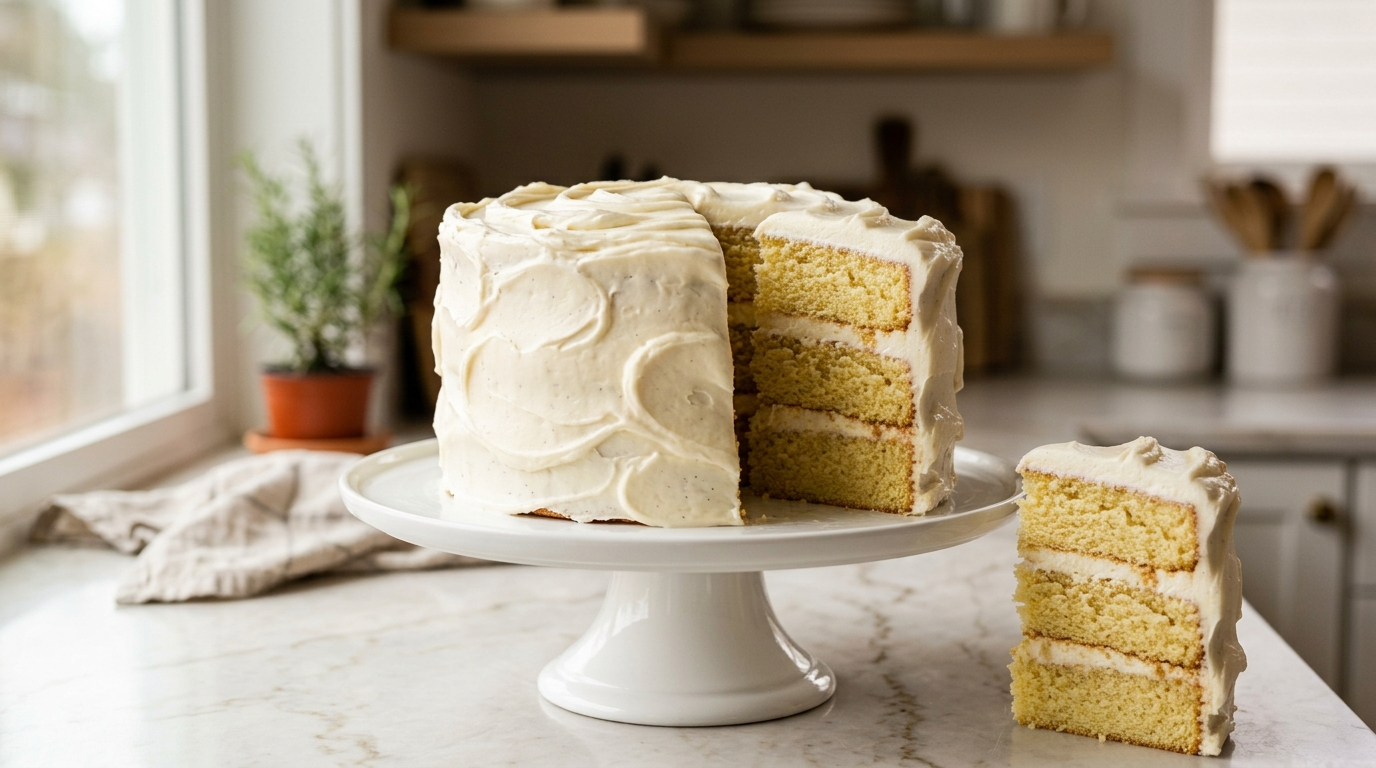
There are cakes you make because the recipe sounds impressive, and then there are cakes you make because you know, without a doubt, that everyone will reach for a second slice. This easy cake recipe with cream cheese frosting belongs firmly in the second group.
I started making this cake on one of those afternoons when I wanted something homemade but absolutely did not want to spend half the day in the kitchen. I had cream cheese in the fridge, a few basic baking ingredients in the pantry, and a serious craving for a soft, sweet cake. So I mixed everything, crossed my fingers, and hoped for the best.
Thankfully, the cake turned out beautifully.
The crumb stayed soft, the edges turned lightly golden, and that tangy cream cheese frosting made the whole thing taste much more special than the effort suggested. I have made it many times since then, and I have learned a few little tricks along the way—mostly from the cakes that did not cooperate.
The biggest lesson? Don’t rush the ingredients, especially the butter, eggs, and cream cheese. Room-temperature ingredients make a surprisingly big difference.
This is the kind of cake I make for birthdays, weekend baking, family dinners, potlucks, and those random evenings when I simply want cake. No fancy decorating skills required. Just a fluffy homemade cake, a generous layer of frosting, and a fork.
Why You’ll Love This Recipe

- Simple ingredients: You probably already have most of them in your kitchen.
- Easy for beginners: No complicated decorating or special baking techniques.
- Soft and moist: The cake has a tender crumb without feeling heavy.
- Creamy frosting: The cream cheese frosting adds the perfect sweet-and-tangy finish.
- Perfect for almost any occasion: Serve it plain and cozy or dress it up for a celebration.
- Easy to customize: Add cinnamon, lemon zest, chopped nuts, or your favorite cake toppings.
Ingredients You’ll Need

For the Cake
- 2 cups all-purpose flour
- 1 ½ teaspoons baking powder
- ½ teaspoon baking soda
- ¼ teaspoon salt
- ½ cup unsalted butter, softened
- 1 cup granulated sugar
- 2 large eggs, room temperature
- 1 teaspoon vanilla extract
- ¾ cup buttermilk, room temperature
- ¼ cup sour cream, room temperature
The buttermilk gives the cake a soft, tender texture, while the sour cream adds moisture without making the cake greasy.
If you don’t have buttermilk, don’t panic. Add 2 ¼ teaspoons of lemon juice or white vinegar to ¾ cup milk, stir, and let it sit for about 5 minutes.
For the Cream Cheese Frosting
- 8 ounces full-fat cream cheese, softened
- ½ cup unsalted butter, softened
- 3 cups powdered sugar, sifted
- 1 teaspoon vanilla extract
- Pinch of salt
- 1–2 tablespoons heavy cream or milk, if needed
I recommend full-fat cream cheese for the frosting because it gives you a thicker, creamier result. Reduced-fat cream cheese can work, but the frosting may turn softer.
Step-by-Step Instructions

1. Get the Oven Ready
Preheat your oven to 350°F (175°C).
Grease a 9-inch round cake pan and line the bottom with parchment paper. You can also use an 8-inch square baking pan if that’s what you have.
I learned the parchment-paper lesson the hard way. A cake that tastes amazing is considerably less exciting when half of it stays glued to the pan.
2. Mix the Dry Ingredients
In a medium bowl, whisk together the flour, baking powder, baking soda, and salt.
Give everything a good whisk for about 30 seconds.
This helps distribute the leavening agents evenly, so you don’t end up with one part of the cake rising beautifully while another part sits there looking offended.
Set the bowl aside.
3. Cream the Butter and Sugar
Add the softened butter and sugar to a large mixing bowl.
Using a hand mixer or stand mixer, beat them on medium speed for about 2–3 minutes.
The mixture should look lighter, fluffy, and creamy.
Don’t skip this step by rushing through it. Properly creamed butter helps create a lighter cake.
4. Add the Eggs and Vanilla
Add the eggs one at a time.
Beat well after each addition, then mix in the vanilla extract.
If the batter looks slightly curdled at this stage, don’t worry. That’s usually fine, especially if your ingredients weren’t perfectly room temperature.
5. Add the Dry Ingredients and Buttermilk
Add about one-third of the dry ingredients to the butter mixture.
Mix gently.
Add half of the buttermilk, then another third of the dry ingredients. Repeat with the remaining buttermilk and dry ingredients.
Mix only until you no longer see dry flour.
Overmixing can make the cake dense, and nobody invites a dense cake to the party.
6. Fold in the Sour Cream
Add the sour cream and gently mix until the batter looks smooth.
The finished batter should be thick but spreadable.
If it looks slightly thicker than a boxed cake batter, that’s perfectly normal.
7. Fill the Cake Pan
Pour the batter into the prepared pan.
Use a spatula to gently spread the batter into an even layer.
Give the pan one gentle tap against the counter to remove any large air pockets.
Don’t bang it repeatedly. We aren’t trying to wake the neighbors.
8. Bake the Cake
Place the pan in the center of the preheated oven.
Bake for approximately 30–35 minutes.
Start checking around the 30-minute mark.
The cake should look lightly golden, the center should spring back when gently pressed, and a toothpick inserted into the middle should come out clean or with a few moist crumbs.
If the toothpick comes out covered in wet batter, give the cake another 3–5 minutes.
9. Cool Completely
Let the cake cool in the pan for about 10–15 minutes.
Then carefully transfer it to a wire rack and let it cool completely.
This part requires patience.
Do not frost a warm cake unless you enjoy watching perfectly good frosting slide dramatically toward the edge of the plate.
10. Make the Cream Cheese Frosting
Place the softened cream cheese and butter in a large bowl.
Beat them together for about 2 minutes, until smooth and creamy.
Add the sifted powdered sugar gradually.
Mix on low speed first so your kitchen doesn’t suddenly look like it received a powdered-sugar snowfall.
Add the vanilla and a pinch of salt.
Beat for another 1–2 minutes until fluffy.
If the frosting feels too thick, add heavy cream or milk one teaspoon at a time until you reach your preferred consistency.
11. Frost the Cake
Once the cake has cooled completely, spread the cream cheese frosting over the top.
For a simple homemade look, use the back of a spoon or an offset spatula to create little swirls.
You don’t need perfect piping.
Honestly, I think the slightly rustic look makes this cake feel more homemade and inviting.
If you want a layer cake, bake the batter in two 8-inch round pans and reduce the baking time. Once completely cool, place frosting between the layers and over the top.
Pro Tips & Tricks
Bring Ingredients to Room Temperature
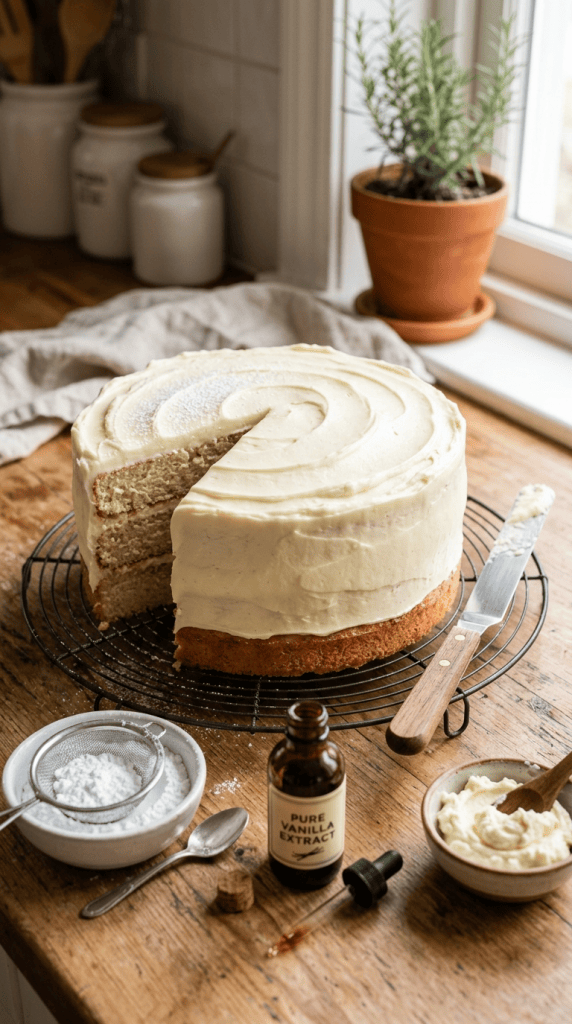
Cold butter doesn’t cream properly, and cold cream cheese can leave lumps in your frosting.
Set your butter, eggs, sour cream, and cream cheese out about 30–60 minutes before baking.
Don’t Overmix the Batter
Once you add the flour, mix just until everything comes together.
Overmixing develops more gluten, which can make the cake less tender.
This is probably the easiest mistake to make because it’s tempting to keep mixing until the batter looks absolutely perfect.
Stop when the flour disappears.
Sift Your Powdered Sugar
For the frosting, sift the powdered sugar before adding it.
This helps create a smoother frosting and prevents those annoying little sugar lumps.
Cool the Cake Completely
I know.
You smell cake.
You see frosting.
Your patience disappears.
But please let the cake cool completely before frosting it. Otherwise, the frosting can soften and slide right off.
Don’t Overbake
This cake tastes best when it stays soft and tender.
Start checking the cake a few minutes before the recipe’s full baking time. Ovens vary, and even five extra minutes can make a difference.
Chill the Frosting If Needed
If your kitchen is warm and the frosting feels too soft, place it in the refrigerator for 15–20 minutes.
It will firm up enough to spread more easily.
Make It Ahead
You can bake the cake one day ahead.
Let it cool completely, wrap it tightly, and keep it at room temperature if unfrosted.
Prepare the frosting separately and refrigerate it. Let the frosting sit at room temperature for a short while before spreading.
Variations & Substitutions
Add Lemon Flavor
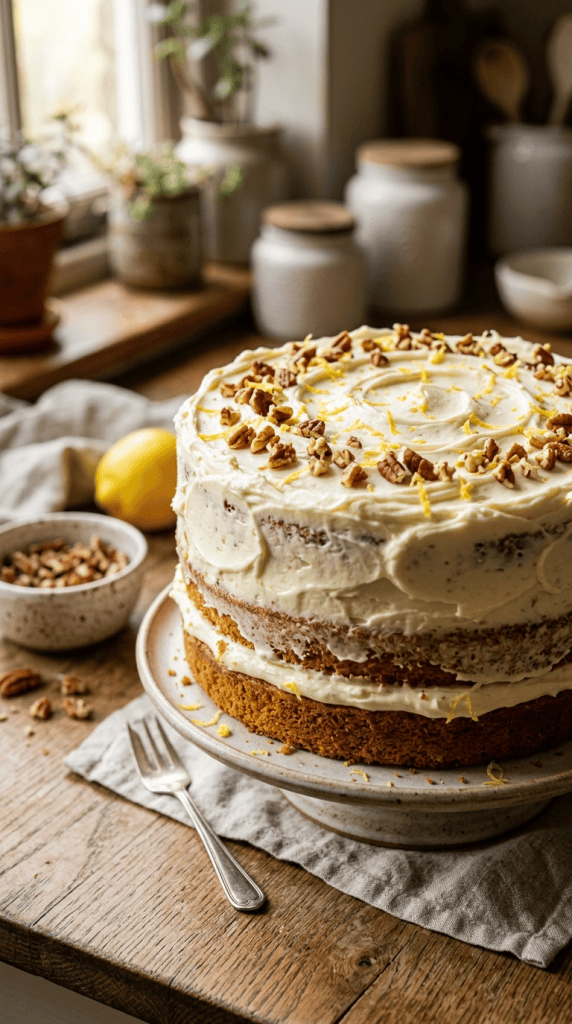
For a bright twist, add 1 tablespoon of fresh lemon zest to the cake batter.
You can also add 1 teaspoon of lemon zest to the cream cheese frosting.
The citrus cuts through the sweetness beautifully.
Make It Cinnamon-Spiced
Add 1 teaspoon cinnamon and a pinch of nutmeg to the dry ingredients.
This version tastes especially cozy in the fall and pairs wonderfully with cream cheese frosting.
Add Chopped Nuts
Fold ½ cup finely chopped pecans or walnuts into the batter.
You can also sprinkle toasted nuts over the frosting for a little crunch.
Use a Gluten-Free Flour Blend
You can replace the all-purpose flour with a 1:1 gluten-free baking flour blend designed for cakes.
Choose a blend that already contains xanthan gum if the package recommends it.
Make a Chocolate Version
For a chocolate cake variation, replace ¼ cup of the flour with ¼ cup unsweetened cocoa powder.
You may need a splash of extra buttermilk if the batter becomes noticeably thicker.
Serving Suggestions

I love serving this cake slightly chilled because the cream cheese frosting becomes firmer and almost cheesecake-like.
For a casual family dessert, simply slice it and serve it with coffee, tea, or a cold glass of milk.
For birthdays, add colorful sprinkles, chocolate curls, chopped nuts, or fresh berries just before serving.
For a holiday table, a light dusting of cinnamon over the frosting looks beautiful without requiring any fancy decorating.
You can also serve each slice with a few strawberries or raspberries.
If you’re making this cake for a potluck, I recommend keeping it chilled until you’re ready to serve, especially if your kitchen or dining area runs warm.
And if you’re serving it after dinner, don’t be surprised when somebody asks, “Is there any more?”
There usually isn’t.
FAQ’s
Can I make this cake ahead of time?
Absolutely. Bake the cake up to one day ahead, let it cool completely, and wrap it tightly. You can frost it the next day.
For the freshest texture, keep the cream cheese frosting refrigerated until you’re ready to use it.
How should I store cake with cream cheese frosting?
Because the frosting contains cream cheese, store the finished cake in the refrigerator.
Keep it covered and enjoy it within about 3–4 days for the best texture and flavor.
Let individual slices sit at room temperature for about 15–20 minutes before serving if you prefer softer cake and frosting.
Can I freeze this cake?
Yes.
For best results, freeze the unfrosted cake. Wrap it tightly in plastic wrap, then place it inside a freezer-safe bag or container.
Freeze for up to 2–3 months.
Thaw it overnight in the refrigerator, then bring it closer to room temperature before frosting and serving.
You can also freeze individual frosted slices, but wrap them carefully to protect the frosting.
Why did my cake turn out dense?
A dense cake usually comes from a few common issues.
You may have overmixed the batter after adding the flour, used cold ingredients, measured too much flour, or left the cake in the oven too long.
For flour, spoon it into your measuring cup and level the top instead of scooping directly from the flour bag.
Why is my cream cheese frosting runny?
Softened cream cheese can become too loose if it gets overly warm.
Make sure you use full-fat block-style cream cheese rather than a very soft spreadable variety.
You can also refrigerate the frosting for 15–30 minutes before spreading.
If it still feels too loose, gradually add a little more sifted powdered sugar.
Can I use a different frosting?
Definitely.
This cake works with vanilla buttercream, chocolate frosting, whipped cream, or even a simple powdered-sugar glaze.
But if you ask me, the tangy cream cheese frosting is what makes this particular cake hard to resist.
Final Thoughts
This easy cake recipe with cream cheese frosting has become one of those recipes I keep coming back to because it doesn’t ask for much.
No complicated decorating.
No unusual ingredients.
No ten-step baking marathon.
Just a soft homemade cake and a creamy frosting that makes every bite feel a little more special.
I’ve made prettier cakes, fancier cakes, and cakes that took considerably more effort. But this is one of the cakes I would happily make again when friends are coming over or when I simply want something sweet sitting on the kitchen counter.
Give it a try, make it your own, and don’t worry if your frosting swirls aren’t perfect. The best homemade cakes usually look a little loved.
And if someone asks for the recipe after their second slice, just send them here.
Leave a Reply
You must be logged in to post a comment.